
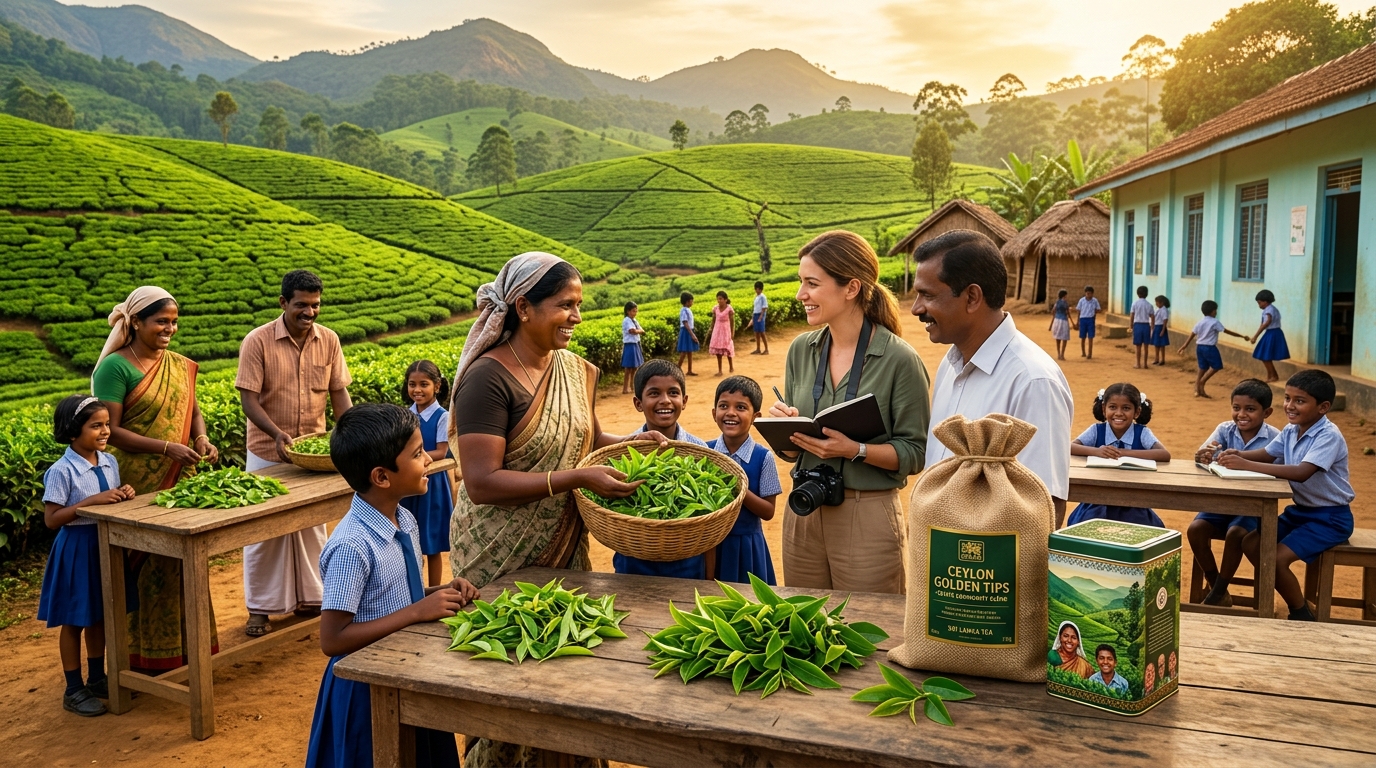
Caring for Communities: How Sri Lankan Tea Estates Support Workers and Fair Living
In the modern global trade of specialty food and beverage, the true value of a product is no longer measured by flavor profile alone. Discerning consumers now look at the human cost behind every harvest. For the Sri Lankan tea industry, sustainability is not a marketing trend; it is a structural necessity. The history of Ceylon Tea is deeply entwined with the development of the mountain regions, where estates have evolved into self-sustaining ecosystems that prioritize the welfare of the families who call these plantations home.
The concept of caring for communities in the tea sector goes beyond simple corporate social responsibility. It involves a holistic commitment to providing housing, healthcare, and education. By investing in the people who nurture the botanical science behind each leaf, the industry ensures that the legacy of high-quality, ethically produced tea continues for generations.
Foundations of Sustainable & Regenerative Cultivation
Sustainability on a Sri Lankan tea estate begins with the soil. The health of the land is the primary asset of the plantation, and its protection is a collective effort. Regenerative practices are now standard across many regions, ensuring that the terroir—be it the crisp heights of Nuwara Eliya or the rich valleys of Kandy—remains fertile for future harvests.
- Soil Regeneration: Estates employ organic composting techniques, returning tea prunings and biomass to the soil to replenish nutrients naturally.
- Shade-Tree Planting: By integrating native shade trees into the tea fields, estates prevent soil erosion and create micro-climates that protect the tea bushes from harsh direct sunlight.
- Biodiversity Corridors: Maintaining strips of wild vegetation allows local wildlife to thrive, keeping the ecosystem balanced and reducing the need for synthetic interventions.
These methods are not just about protecting the environment; they are about securing the economic future of the estate. A healthy, regenerative farm requires fewer external inputs, which stabilizes the cost of production and protects the livelihoods of the workers managing these fields.
Atmospheric & Climate Protection: Ozone & Carbon Neutrality
The Ceylon tea industry is a global leader in environmental compliance. Sri Lanka was one of the first nations to ban ozone-depleting substances in its agricultural processes, a testament to its commitment to international climate goals.
Carbon neutrality is a priority for many modern estates. By integrating renewable energy sources—such as mini-hydroelectric plants powered by mountain streams—estates minimize their carbon footprint. Regular carbon audits are conducted to measure energy usage across the traditional manufacturing process. These audits push factories to upgrade to more efficient machinery, reducing waste and heat loss during the withering and drying stages.
Purity, Traceability & Strict Chemical Residue Limits (MRLs)
Consumers deserve to know exactly what is in their cup. Sri Lanka maintains some of the strictest Maximum Residue Limits (MRLs) in the world. Every batch of tea is subjected to independent laboratory testing to ensure it meets international food safety standards.
This level of transparency is supported by single-origin traceability. From the moment the leaf is hand-plucked to the final sale at the Colombo Auction, the chain of custody is documented. This rigorous oversight prevents the use of harmful chemicals and ensures that the final product is pure, clean, and safe for global consumption.
Fair Wages, Worker Welfare & Community Investment
The true heart of the tea estate is the community. Unlike many agricultural sectors where labor is transient, the tea industry in Sri Lanka is built on long-term residency. Estates are essentially villages, and management takes on the responsibility of providing essential social infrastructure.
Housing and Infrastructure
Plantation families are provided with housing that is continuously being upgraded to meet modern living standards. These settlements are often equipped with clean water, electricity, and sanitation facilities, which are essential for maintaining the health and dignity of the workforce.
Healthcare Facilities
On-site medical clinics are a staple of the Sri Lankan tea estate. These facilities provide primary healthcare, maternal support, and routine check-ups for workers and their families. By having medical care within walking distance, the estate ensures that minor issues are treated immediately, preventing them from becoming larger health crises.
Child Development and Education
Education is the most powerful tool for breaking the cycle of poverty. Estates operate dedicated child development centers that provide childcare, nutritional support, and early childhood education. This allows parents to work knowing their children are in a safe, nurturing environment. Furthermore, the industry works closely with government schools to provide access to primary and secondary education for all children living on the estates.
Watershed Preservation & Wildlife Protection
The high-altitude regions of Sri Lanka are the country’s water towers. Protecting the watershed is crucial for both the plantation and the surrounding environment. Estates are strictly prohibited from clearing forests near water sources, ensuring that the natural river systems remain pristine.
This preservation effort also safeguards local wildlife. By maintaining buffer zones, estates allow leopards, deer, and various bird species to inhabit the forest fringes without conflict. This coexistence is a hallmark of responsible land management and is a key factor in obtaining eco-certifications that global consumers trust.
Sustainability Standards & Certifications Table
The following table outlines the frameworks that ensure accountability in the tea industry. These certifications provide a roadmap for ethical purchasing decisions.
| Standard / Certification | Core Guarantee | Environmental / Social Impact | Consumer Verification Method |
|---|---|---|---|
| Fairtrade | Fair price and social premium | Supports community development projects | Fairtrade International seal on packaging |
| Rainforest Alliance | Biodiversity and sustainable livelihoods | Protects ecosystems and ensures worker rights | Rainforest Alliance frog logo |
| ISO 22000 | Food safety management | Ensures high-quality, safe production | Certification mark on bulk or retail packaging |
| Organic (EU/USDA) | Chemical-free cultivation | Restores soil health and water purity | Official organic certification seal |
Quality & Eco-Friendly Standards Checklist
The following protocol represents the operational standards maintained by leading Ceylon tea producers to ensure ethical and environmental excellence:
- Standard 1: Guaranteed Single-Origin Traceability | 100% verified single origin with complete batch tracking
- Standard 2: Value Retention at Origin | Packaging and processing completed locally to support community prosperity
- Standard 3: Certified Ecological Stewardship | Cultivated without banned chemicals or ozone-depleting substances
- Standard 4: Clean Laboratory Verification | Rigorous testing ensures zero harmful chemical or microbiological residue
- Standard 5: Ethical Community Care | Fair living wages, safe working conditions, and educational infrastructure
Frequently Asked Questions About Sustainability & Certifications
How do Sri Lankan tea estates support the families of workers? Tea estates in Sri Lanka function as holistic communities, providing on-site housing, primary healthcare clinics, child development centers, and schools to ensure families have essential support systems.
What is the role of ethical standards in the Ceylon tea industry? Ethical standards ensure that tea production adheres to strict labor laws, fair wage structures, and environmental protections, maintaining the reputation of Ceylon Tea while safeguarding human rights.
How is environmental sustainability linked to community well-being? Protecting the watershed and soil health prevents natural disasters and ensures long-term agricultural viability, which directly secures the livelihoods and safety of the communities living on the estates.
Are Sri Lankan tea estates monitored for worker safety? Yes, estates are subject to both national labor regulations and rigorous international certifications like Rainforest Alliance and Fairtrade, which require regular audits of working conditions and social facilities.
What are Child Development Centers on tea estates? These centers provide essential childcare, nutritional support, and early childhood education for the children of tea pluckers, allowing parents to work with peace of mind knowing their children are safe.
How can I verify if my tea is ethically sourced? Look for internationally recognized certification logos on the packaging, such as Fairtrade or Rainforest Alliance, which signify that the product has met independent, auditable standards for worker welfare and environmental care.
Conclusion
The story of Ceylon Tea is a testament to the fact that quality and conscience can exist in perfect harmony. By prioritizing the health of the land and the prosperity of the community, Sri Lankan tea estates have built a resilient model that serves as an example for the rest of the agricultural world.
When you choose a tea from a certified Sri Lankan estate, you are not merely purchasing a beverage; you are supporting a system that values human dignity, education, and environmental stewardship. As you explore the various types of Ceylon tea or discover the nuances of different tea grades, remember that the most exceptional flavor is one that leaves a positive impact on the world. To continue your journey in understanding this remarkable industry, we invite you to explore our blog for deeper insights into the practices that define Ceylon Tea today.