Loading Pure Ceylon Tea
Fetching authentic terroir & grade data...

Fetching authentic terroir & grade data...
Your ultimate guide to Sri Lanka's world-famous tea: its 150-year heritage, seven unique growing regions, traditional processing, and the Pure Ceylon Lion Logo.
Sri Lanka has over 150 years of tea-making history. Celebrated worldwide for hand-picked, whole-leaf tea, the island produces exceptional black, green, and white teas. The Sri Lanka Tea Board oversees quality to make sure every pack is authentic, pure, and fresh.
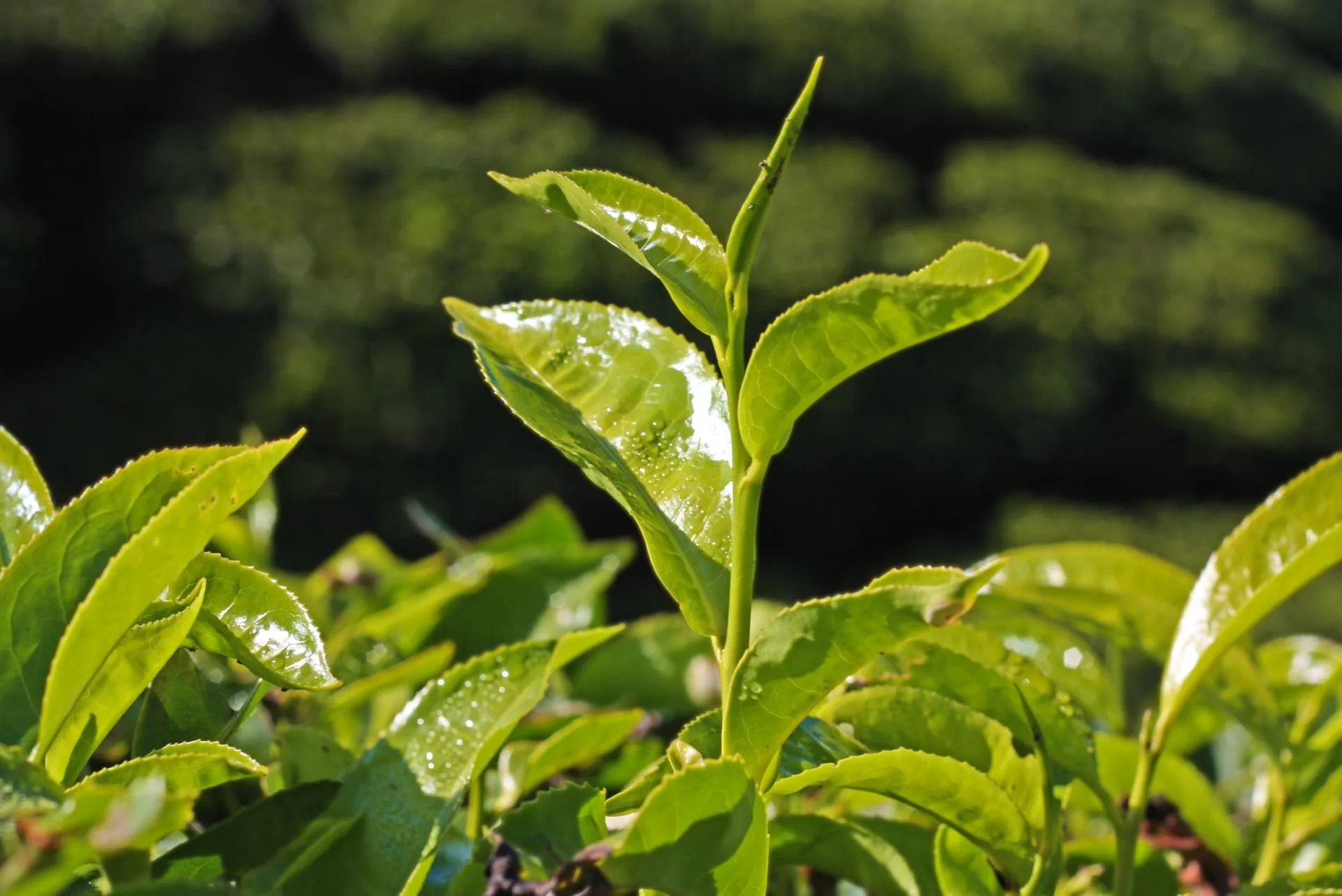
Ceylon Tea is exclusively grown, harvested, and produced in Sri Lanka (known as Ceylon until 1972). Famous for its unmatched quality, workers continue the proud tradition of hand-plucking only the youngest "two leaves and a bud" to ensure the finest brew.
Because Sri Lanka features dramatic mountains, lush valleys, and coastal plains, the tea naturally develops unique characteristics. The island's seven distinct agro-climatic regions produce a beautiful spectrum of flavors, colors, and aromas.
Expert pickers carefully select the tender "two leaves and a bud" to guarantee a premium, consistent cup.
The Sri Lanka Tea Board's official seal guarantees you are drinking 100% unblended, authentic Ceylon Tea.
In 1867, Scottish pioneer James Taylor planted just 19 acres of tea on the Loolecondera Estate in Kandy. Following a blight that destroyed the island's coffee crops, this small tea garden sparked a revolution, transforming Sri Lanka into one of the world's premier tea-producing nations.
James Taylor plants the first commercial tea estate and builds the foundation of the Ceylon tea industry.
The first Colombo Tea Auction takes place, eventually growing into the largest single-origin tea auction in the world.
Sri Lanka pioneers eco-friendly farming by completely removing ozone-depleting chemicals, earning global UN recognition.
All real tea comes from a single plant called Camellia sinensis. Over many decades, the Tea Research Institute of Sri Lanka (TRI) has developed special plant varieties that grow best across the island's mountain slopes, midlands, and southern valleys, producing rich flavors and fragrant aromas.
Has smaller leaves and grows well in cooler, high-elevation mountains. It produces delicate, light, and wonderfully floral teas.
Has broader leaves that flourish in warmer, lower elevations. It yields a rich, dark, and strong brew that pairs deliciously with milk.
Sri Lanka is famous around the world for traditional whole-leaf tea. About 90% of all tea produced on the island is carefully crafted using traditional rolling and withering methods, while the rest is made using modern cut-leaf (CTC) machines or crafted as green and white tea.
Fresh leaves are gently withered, rolled, oxidized, and dried. This careful, artisanal process keeps the tea leaves intact and produces a smooth, complex, and fragrant cup.
Machines quickly crush, tear, and curl leaves into small pellets. This creates a quick-brewing, strong, and dark tea that is popular for everyday tea bags.
Sri Lanka is a world leader in clean, environmentally friendly tea farming. It became the first country in the world to produce 100% ozone-friendly tea by completely banning harmful chemicals that damage the Earth's atmosphere.
The iconic Lion Logo guarantees that your tea is 100% pure, unblended, and packed directly in Sri Lanka.
Every batch of Ceylon Tea meets strict international safety and quality standards (ISO 3720), ensuring a clean, pure, and safe cup.
Learn about different tea types, Sri Lanka's seven tea regions, leaf grades, and delicious tea recipes.
Discover black, green, white, and specialty teas.
Explore Sri Lanka's seven tea regions and their unique flavours.
Understand leaf sizes, whole leaves, and tea grades.
Delicious drinks, iced teas, and culinary recipes.
Ceylon Tea is exclusively grown and produced in Sri Lanka (formerly Ceylon). It is world-famous for its traditional 'traditional' whole-leaf processing, hand-plucked quality, and the unique flavors produced across Sri Lanka's seven distinct growing regions.