
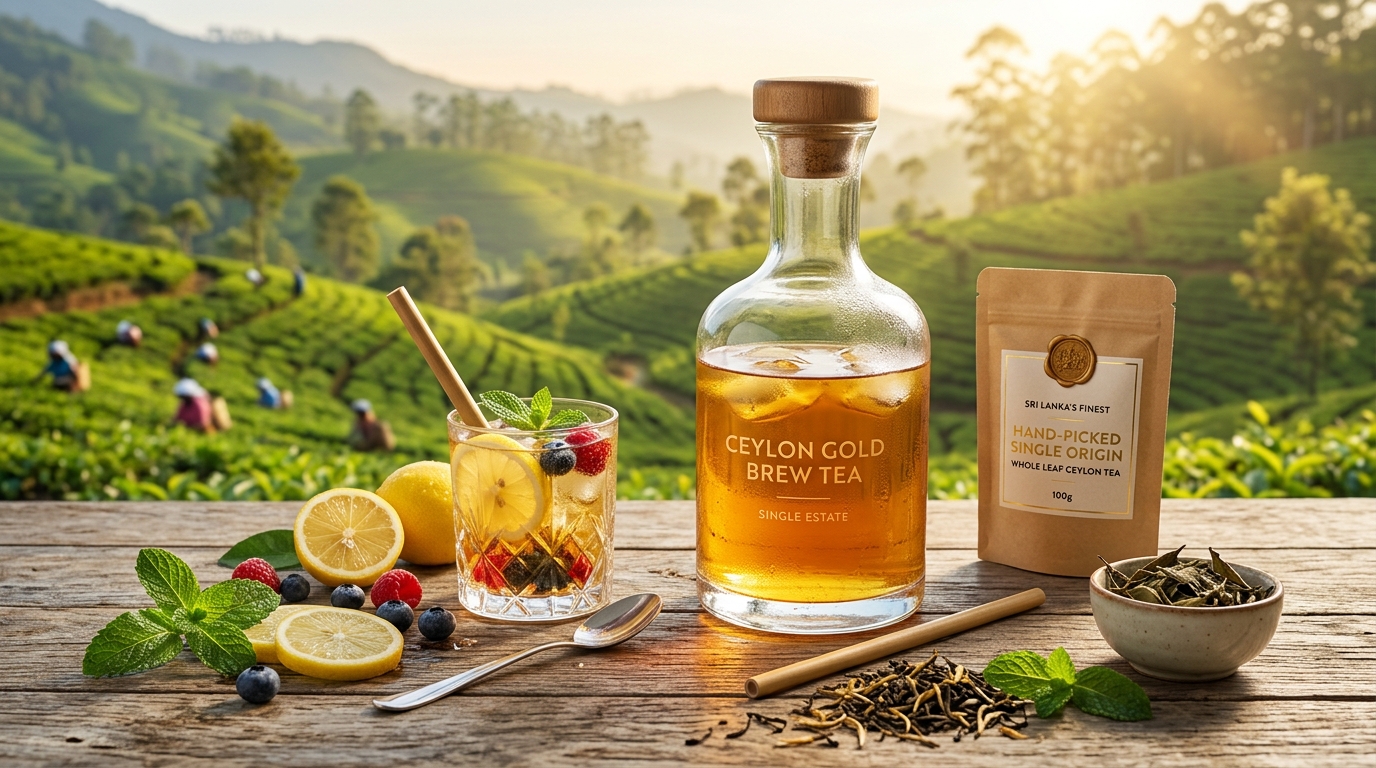
Pure & Clean: How Sri Lanka’s Strict Tea Standards Elevate Your Kitchen and Glass
Step into the vibrant world of pure Ceylon tea, where crisp mountain air, pristine tropical sunshine, and gentle natural rainfall yield some of the finest tea leaves on Earth. Beyond its captivating aroma and brisk, refreshing flavor, Ceylon tea carries an exceptional badge of honor: it is widely recognized as one of the cleanest, safest, and most carefully tested natural beverages in the world.
When you brew a pot of tea, steep a refreshing cold pitcher overnight, or shake up a craft tea mocktail, the purity of your tea leaves dictates every note on your palate. Sri Lanka’s unwavering commitment to clean agricultural practices, strict pesticide testing, and transparent export standards ensures that every leaf delivers pure, unadulterated flavor directly to your kitchen. Whether you are crafting delicate afternoon treats, mixing zero-proof botanical cocktails, or looking for the ideal beverage to match your favorite meals, starting with clean Ceylon tea makes all the difference.
1. Cooking and Mixing with Ceylon Tea: Understanding Flavor Notes
To create delicious drinks and meals with tea, it helps to understand how different growing regions in Sri Lanka build distinct flavor profiles. Tea bushes growing in cool, mist-covered mountain peaks produce very different notes than those nurtured in sunny, warm lowland valleys. Because Sri Lanka enforces clean Ceylon tea safety standards across all elevations, you can confidently infuse these leaves directly into raw juices, cold spring water, warm milk, or artisanal craft spirits.
High-Grown Teas: Light, Floral, and Citrusy
Teas grown high in the clouds—such as those from Nuwara Eliya and Dimbula—offer delicate, crisp, and bright characteristics. They frequently display soft notes of jasmine, freshly squeezed lemon, white peach, and wild green apple. Because these high-altitude leaves mature slowly in cool mountain air, they hold delicate essential oils that shine brightly in light food pairings, iced fruit teas, and airy desserts.
Mid-Grown Teas: Rich, Citrus-Spiced, and Balanced
Grown in the rolling green hills surrounding Sri Lanka's historic central highlands, mid-grown teas like those from Kandy offer a full-bodied experience with vibrant mahogany liquor. They carry gentle undertones of sweet citrus peel, warm baking spices, and dried fruit. These versatile teas act as wonderful anchors for sparkling tea punches, spiced syrups, and hearty savory dishes.
Low-Grown Teas: Bold, Malty, and Intensely Sweet
Teas harvested near the coastal plains and lush southern rain forests—such as Ruhuna and Sabaragamuwa—grow rapidly in warm tropical soil. They develop deep black leaves that yield rich notes of caramelized sugar, dark molasses, chocolate, and toasted malt. These bold teas hold up beautifully when mixed with fresh dairy, rich nut milks, dark honey, or aromatic spices.
Why Unmatched Safety Matters for Flavor
Why is safety so central to tea mixology and cooking? When you steep tea leaves in water or warm cream, you extract every soluble compound contained within the leaf. If tea bushes are treated with synthetic chemicals or heavy pesticides, those chemical residues leach directly into your drink, creating harsh metallic aftertastes and dulling natural aromas.
Sri Lanka guarantees pure botanical flavor through state-of-the-art laboratory testing before any tea leaves leave its shores. Every export batch must comply with strict national regulations and global safety thresholds, ensuring that your culinary creations taste exactly as nature intended. To ensure you are buying genuine, single-origin tea packed right at the source, look for the official mark of origin.
Pure Ceylon Tea Lion Logo Certification
2. The Secret to Silky Cold Brew: Slow Steeping Without Bitterness
If you have ever brewed tea hot and poured it over ice, you might have noticed a cloudy appearance or a sharp, bitter bite. While hot brewing quickly releases tannins and bright acidity, cold brewing takes a gentler, more forgiving path. Cold water slowly draws out natural sugars, delicate amino acids, and bright floral volatile compounds over several hours while leaving behind harsh, astringent tannins.
Hot Water Steeping:   High Heat: Fast Extraction: High Tannins & Sharp Bitterness
Cold Water Steeping:  Cold Chill: Slow Extraction: Natural Sugars & Silky Smoothness
Why Clean Tea is Crucial for Cold Brewing
Cold brewing requires pure, untainted ingredients. Because cold water steeping takes between 8 to 12 hours, tea leaves sit in quiet contact with water for an extended period. If leaves carry chemical residues, cold extraction can bring those off-flavors into your pitcher.
Sri Lanka’s tea industry was the first in the world to earn the prestigious Ozone-Friendly Tea Certification. Sri Lankan tea planters avoid methyl bromide and harmful synthetic chemicals, relying on clean agricultural practices and biological pest management. When you cold brew pure Ceylon black tea or fresh Ceylon green tea, you enjoy a clean, refreshing drink that tastes naturally sweet without adding processed sugar.
Signature Cold Brew Tea Recipe (Easy Step-by-Step)
3. Pairing Ceylon Teas with Food: From Spicy Dishes to Rich Sweets
Matching tea with food follows the same delightful principles as pairing fine wines. You can choose to complement similar flavor profiles (like pairing a citrusy high-grown tea with a lemon tart) or contrast opposing elements (like pairing a crisp, tannic tea with a rich, fatty dish to cleanse the palate).
Because Sri Lankan teas span a wide range of elevations and processing styles—from delicate white tea buds to robust black teas—they pair effortlessly with almost any cuisine.
The Art of Matching Flavors
- Light & Citrusy Pairs with Delicate & Creamy: Crisp teas cut through rich fats like fresh goat cheese, butter pastries, and shellfish while accentuating fresh herbs and citrus dressings.
- Medium & Spiced Pairs with Savory & Roasted: Well-balanced teas complement grilled chicken, roasted vegetables, light pasta dishes, and mild curries without overwhelming the palate.
- Bold & Malty Pairs with Rich, Sweet & Spicy: Dark, low-grown teas hold their ground against dark chocolate, braised meats, smoky BBQ sauces, and vibrant, fiery dishes.
Here is a quick reference guide to help you choose the right tea for your next meal or gathering:
| Ceylon Tea Region or Grade | Best Food Pairing | Why the Flavors Work Together | Easy Serving Idea |
|---|---|---|---|
| Nuwara Eliya Black Tea | Fresh Lemon Tart or Goat Cheese Salad | Light, crisp citrus and floral notes slice through creamy fat and heighten fresh fruit acidity | Serve chilled in wine glasses alongside summer salads or cheese boards |
| Dimbula Broken Orange Pekoe | Smoked Salmon Toast or Grilled Chicken | Well-balanced reddish liquor with moderate tannins balances savory salt and oak smoke | Brew hot, flash-chill over ice, and garnish with fresh dill or cucumber |
| Ruhuna Low-Grown Tea | Dark Chocolate Cake or BBQ Ribs | Rich notes of dark honey, malt, and caramelized sugar match deep cocoa and smoky glazes | Serve warm as a digestive cup after dinner or cold-brewed with a splash of milk |
| Ceylon Green Tea | Steamed Dumplings or Fresh Sushi | Nutty, toasted herbal character softens salty soy sauce and delicate seafood | Cold steep with fresh cucumber slices for a clean meal companion |
| Ceylon White Tea Silver Tips | Fine Berry Tarts or Fresh Macarons | Ultra-gentle sweet pine and melon notes offer a luxurious, soft finish | Serve warm in clear glass cups alongside afternoon tea pastries |
4. Refreshing Tea Mocktails and Artisan Drink Ideas
The global movement toward mindful drinking has made tea the star ingredient of modern craft mixology. Non-alcoholic mocktails demand body, balance, complex aromatics, and a pleasing mouthfeel—qualities that cheap juices and sugary soda syrups simply cannot provide.
Pure Ceylon tea provides natural tannins that mimic the drying, sophisticated structure of fine wine or distilled spirits. By using cold-brewed teas or concentrated infusions as your liquid base, you can build layered drinks that taste sophisticated and satisfying.
Creative Drink Ideas for Home Mixologists
1. The Mountain Fog Spritzer
- Base: Cold-brewed Nuwara Eliya tea
- Mix-ins: Fresh cucumber juice, a squeeze of lime juice, and a touch of agave nectar.
- Finish: Top with sparkling water and garnish with a long cucumber ribbon and fresh rosemary.
- Why it works: The crisp floral character of mountain-grown tea combines with cool cucumber to create an uplifting refresher.
2. Spiced Ceylon Sunset
- Base: Concentrated hot-brewed Kandy tea (chilled)
- Mix-ins: Fresh orange juice, a dash of cinnamon syrup, and a squeeze of fresh lemon.
- Finish: Shake vigorously with ice, strain into a coupe glass, and garnish with a dehydrated orange wheel.
- Why it works: The orange-spice notes of mid-grown Ceylon tea naturally harmonizes with warm baking spices and vibrant citrus.
3. Ruhuna Dark & Stormy Mocktail
- Base: Double-strength Ruhuna tea
- Mix-ins: Spicy craft ginger beer and fresh lime juice.
- Finish: Build over crushed ice in a tall glass and drop in a squeezed lime wedge.
- Why it works: The deep, caramel-like weight of low-grown tea cuts through spicy ginger beer, providing a rich, satisfying mouthfeel without any alcohol.
All tea used for mixing benefit from Sri Lanka's adherence to international quality guidelines. By abiding by rigorous ISO 3720 standards, Sri Lankan tea exporters guarantee that every package offers consistent color, clarity, leaf size, and aroma, allowing you to recreate your signature drinks with perfect precision every single time.
5. Sweet Baking and Cooking: Infusing Teas into Syrups, Creams, and Sauces
Tea is not just for drinking—it is an extraordinary botanical spice for your pantry. Chefs and home bakers around the world use rich Ceylon teas to add depth, color, and natural aroma to sweet and savory recipes.
Making Simple Ceylon Tea Syrup
A bottle of homemade tea syrup in your refrigerator is like liquid gold. You can drizzle it over fluffy breakfast pancakes, brush it onto vanilla cake layers, stir it into morning iced coffee, or use it as the sweet component in craft drinks.
- Basic Ratio: 1 cup of strong-brewed Ceylon tea + 1 cup of raw cane sugar.
- How to make: Bring 1 cup of water to a boil, turn off the heat, and steep 3 tablespoons of loose-leaf Ruhuna tea or Sabaragamuwa tea for 6 minutes. Strain the leaves thoroughly. While the liquid is still warm, stir in 1 cup of sugar until fully dissolved. Allow it to cool, pour into a clean glass jar, and store in the fridge for up to one month.
Infusing Dairy for Creamy Desserts
Fat is a brilliant carrier of aroma. Warm milk, heavy cream, or butter easily absorb the fragrant essential oils locked inside tea leaves.
To create a tea-infused panna cotta, ice cream, or cake frosting, gently warm heavy cream until steam rises (do not let it boil). Add 2 tablespoons of loose Ceylon Black Tea per cup of cream, turn off the burner, cover the pot, and steep for 10 to 15 minutes. Strain out the leaves through a fine mesh strainer, press lightly to release the cream, and chill the infused cream before whipping or baking.
Savory Glazes and Marinades
Don't limit tea to sweet desserts! The natural tannins in strong black tea act as a natural meat tenderizer. Try brewing a cup of strong Uva tea, mixing it with soy sauce, minced garlic, honey, and a splash of rice vinegar, and using it to marinate pork tenderloin, tofu, or chicken thighs before roasting. The tea adds a warm reddish color and a subtle smoky undertone that enhances the natural flavor of the meal.
Every step of Sri Lanka's tea production—from gentle hand-picking on mountain slopes to careful orthodox rolling—is managed under international safety standards such as Food Safety & HACCP certification. This guarantees that every leaf added to your family's food is clean, healthy, and entirely free of unwanted contaminants.
6. Step-by-Step Signature Recipe: How to Brew the Perfect Drink at Home
Here is a refreshing, easy-to-make artisan mocktail that highlights the bright, clean character of high-grown Ceylon tea. It is perfect for sunny afternoons, family gatherings, or weekend celebrations.
The Royal Ceylon Honey-Citrus Fizz
- Prep Time: 10 minutes (plus cooling time)
- Yield: 2 delicious servings
- Flavor Profile: Crisp, floral, sweet, and effervescent
Ingredients:
- 2 cups (480ml) fresh filtered water
- 2 tablespoons loose-leaf Dimbula or Nuwara Eliya black tea
- 2 tablespoons pure raw honey
- 2 tablespoons freshly squeezed lemon juice
- 1/2 cup sparkling water or club soda
- Ice cubes made from filtered water
- Fresh lemon wheels and sprigs of fresh mint for garnish
Simple Directions:
- Brew the Tea Base: Bring fresh filtered water to a rolling boil (212°F / 100°C). Place the loose Ceylon tea leaves into a heat-safe teapot or glass jar and pour the hot water over them.
- Steep with Care: Allow the tea leaves to steep undisturbed for exactly 4 minutes. Do not leave the leaves in longer, as over-steeping can release excess astringency.
- Sweeten while Warm: Strain the hot tea through a fine strainer into a glass measuring cup. Add the raw honey immediately, stirring gently until the honey dissolves completely into the warm tea liquor.
- Chill: Allow the sweet tea mixture to cool down to room temperature, then place it in the refrigerator for 20 minutes until thoroughly chilled.
- Assemble & Serve: Fill two tall glasses to the top with fresh ice cubes. Divide the lemon juice between the glasses, then pour equal amounts of chilled honey tea over the ice.
- Add the Sparkle: Top off each glass with sparkling water. Gently stir with a long spoon to combine the layers.
- Garnish & Enjoy: Garnish with a fresh lemon wheel tucked against the inside of the glass and a slapped sprig of fresh mint on top. Serve immediately with a reusable straw!
Tea Master's Tip: For an extra layer of aroma, rub a fresh piece of lemon peel around the rim of your serving glass before pouring the drink. The fresh citrus oils on the rim will greet your nose with every sip!
Frequently Asked Questions About Cooking and Mixing with Ceylon Tea
Why is Ceylon tea considered cleaner than teas from other regions?
Sri Lanka enforces strict national standards on pesticide usage and clean agricultural management. Tea exports are rigorously tested at the Sri Lanka Tea Board’s central laboratories before shipping. Combined with widespread adherence to international guidelines and the world's first Ozone-Friendly Tea Certification, Ceylon tea is renowned globally for its natural purity.
Can I use tea bags for cold brewing and mocktails, or should I use loose leaf?
While high-quality consumer tea packs work well in a pinch, whole-leaf or broken-leaf loose tea yields superior results for mixology and cold brewing. Loose leaves have room to unfurl fully, releasing subtle essential oils, delicate aromas, and natural sweetness without adding unnecessary bitterness.
How long does homemade tea simple syrup last in the refrigerator?
When stored in a clean, airtight glass bottle or jar in the refrigerator, homemade 1:1 tea simple syrup stays fresh and delicious for 3 to 4 weeks. If you notice any cloudiness or off-odors, discard it and prepare a fresh batch.
Why does my iced tea turn cloudy when I put it in the fridge?
Clouding (often called "tea cream") occurs when natural polyphenols and caffeine bind together as hot tea cools down quickly in the fridge. This is actually a sign of high-quality tea packed with natural antioxidants! To prevent clouding, allow your hot tea to cool down to room temperature naturally before chilling, or simply use the cold-brew method.