
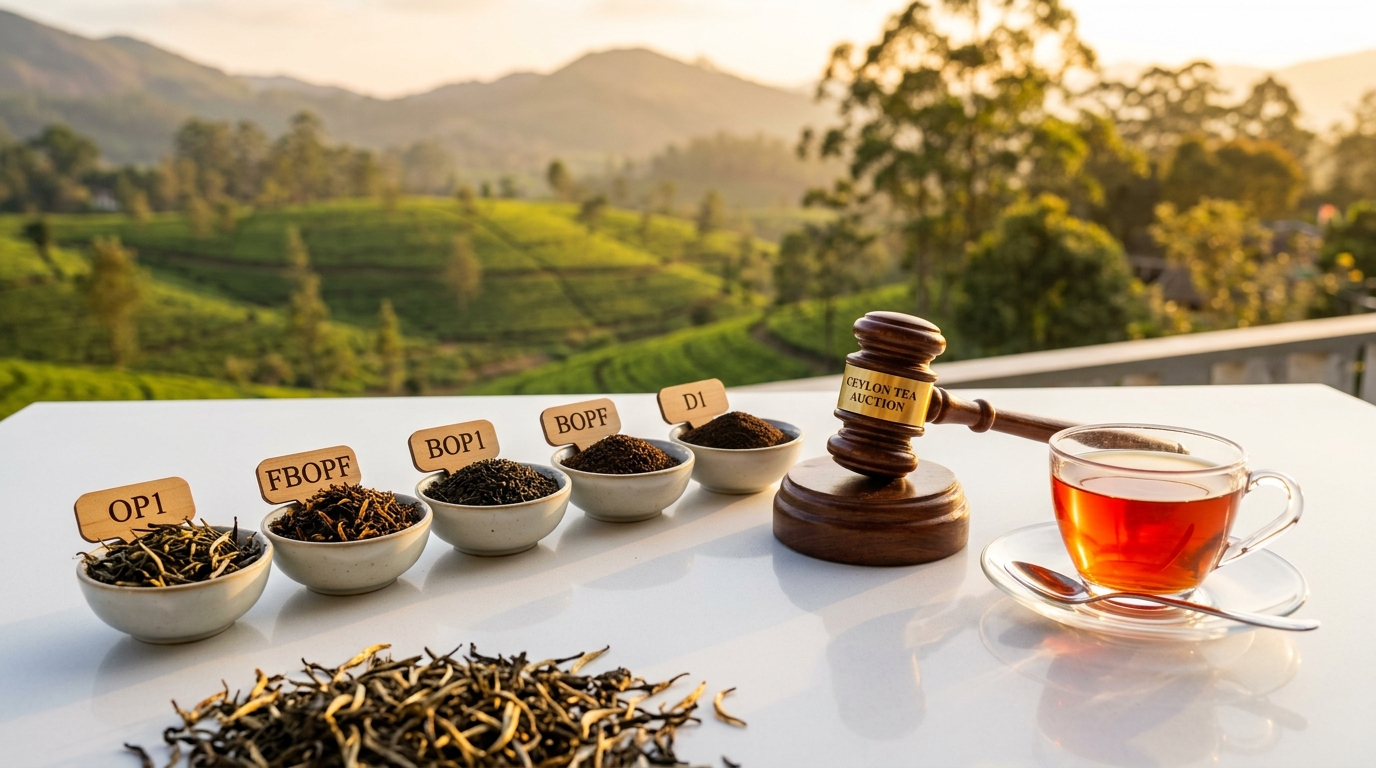
Ceylon Tea Prices Explained: What Determines the Cost of High-Grown and Low-Grown Teas
Sri Lanka exports over 250 million kilograms of tea every year, earning more than $1.3 billion in global trade. Yet, if you look at the weekly price catalogs, you will find that a kilogram of tea can sell for $3.50 while another lot from the same island fetches $12.00 or more.
Why do these price differences exist? For cafe owners, tea importers, and everyday tea lovers, understanding tea pricing can feel like solving a puzzle. Prices do not just change based on brand names or pretty packaging. Instead, the cost of single-origin Ceylon Black Tea is shaped every week by mountain weather, altitude, traditional craftsmanship, and shifting buyer demand across global markets.
Whether you are sourcing bulk tea for a commercial brand or searching for the perfect single-estate batch, this guide breaks down the real economic forces behind Ceylon tea prices.
1. Where Pure Ceylon Tea Is in High Demand Today
The global demand for Sri Lankan tea is diverse and dynamic. Across different regions of the world, consumers look for very specific tastes, colors, and leaf shapes. These preferences create strong market demand that directly drives local auction prices.
GLOBAL DEMAND DRIVERS
Middle East & North Africa: Strong, dark, sweet low-grown teas
Europe & North America: Fine, floral, bright high-grown teas
Asia-Pacific: Premium orthodox leaves & delicate white teas
In the Middle East and North Africa—traditionally the largest buying regional market for Sri Lanka—buyers want bold, dark, and sweet teas. Countries like Iraq, the United Arab Emirates, Saudi Arabia, and Turkey prefer large-leaf, low-grown teas. These teas infuse into a deep mahogany color that pairs perfectly with sugar and local cardamom spices.
Meanwhile, buyers in Western Europe, North America, and Japan favor delicate high-grown teas. Consumers in these markets seek floral aromas, bright golden liquors, and clear regional character. In recent years, growing consumer interest in health, wellness, and single-origin craft beverages has increased demand for premium orthodox teas in North America.
At the same time, new markets across Central Asia and East Asia are expanding quickly. Modern tea shops and ready-to-drink beverage creators are looking for high-quality Ceylon teas that maintain strong flavor even when served cold or mixed with fresh milk and fruit juices.
2. Tea Auction Prices: What Buyers Are Paying Across Different Elevations
To understand Ceylon tea prices, you must first look at elevation. Sri Lanka’s tea-growing estates are divided into three main elevation tiers: High-Grown, Mid-Grown, and Low-Grown. Each elevation produces a completely distinct style of leaf, and each commands its own market price.
SRI LANKAN ELEVATION TIERS
Almost all commercial tea produced in Sri Lanka passes through the public auction system managed by the Colombo Tea Traders' Association. You can follow weekly market movements directly through Colombo Tea Auction Live Intelligence.
Here is a clear look at how prices differ across these three growing elevations.
Low-Grown Teas (Sea Level to 2,000 Feet)
Low-grown regions like Ruhuna and Sabaragamuwa experience warm, sunny weather and rich soil. Tea bushes here grow quickly, producing dark, supple leaves packed with natural sugars.
Because low-grown factories produce beautiful whole-leaf styles (such as FBOP and OP1 grades), these teas often command the highest average auction prices per kilogram. Strong competition among Middle Eastern buyers keeps low-grown auction prices consistently firm throughout the year.
High-Grown Teas (Above 4,000 Feet)
High-grown regions like Nuwara Eliya and Dimbula feature cool temperatures, heavy mountain mists, and crisp night air. These slow-growing leaves are smaller and lighter, producing pale golden cups with intense floral notes and lively crispness.
Prices for high-grown tea fluctuate based on seasonal quality periods. During peak quality seasons, elite high-grown batches sell for high premium prices as specialty blenders around the globe compete for limited supplies.
Mid-Grown Teas (2,000 to 4,000 Feet)
Regions like Kandy offer a balanced middle ground. These teas yield a rich, copper-colored cup with a smooth, full body. Mid-grown teas serve as the reliable backbone for many classic English Breakfast blends worldwide. As a result, mid-grown tea prices remain stable, giving international buyers dependable consistency.
How Ceylon Tea Creates Value from Estate to Shelf
1. Mountain Estate Harvest
Tea pluckers hand-pick fresh green leaves, which are carefully crafted in local estate factories
2. The Colombo Tea Auction
Licensed brokers catalog and taste each lot, selling them through weekly transparent electronic auctions
3. Packaging at Source
Sri Lankan blenders clean, pack, and seal fresh tea into retail tins and pyramid bags under the Lion Logo
4. Global Delivery
Freshly sealed tea travels by sea to international grocery shelves, specialty tea shops, and tea lovers' homes
3. Harvest Numbers and Weather: How Changing Rains Affect Supply
Tea is an agricultural crop, which means weather patterns directly dictate how much tea can be plucked every week. When harvest volumes fall due to unusual weather, prices at auction quickly rise.
Sri Lanka’s weather is shaped by two major monsoons, which create distinct quality seasons on opposite sides of the island:
- The Western Quality Season (January to March): Dry, cool winds blow across western regions like Dimbula. Tea bushes slow down their growth and concentrate essential aromatic oils in the leaf. The resulting teas feature bright citrus flavor and intense aroma, triggering price surges at the auction tables.
- The Eastern Quality Season (July to September): The dry winds shift east toward the Uva region. During these hot, dry months, Uva teas develop their famous exotic wintergreen and sweet herbal flavor notes, commanding top dollar from premium international buyers.
Conversely, when heavy monsoonal rains strike, tea bushes produce rapid growth full of excess water. These "flush" harvests increase overall supply volume, but leaf quality drops slightly, causing average auction prices to soften temporarily.
In recent years, unpredictable weather patterns have made harvest yields harder to project. Extended dry periods reduce green leaf harvests, while unexpected torrential downpours disrupt plucking schedules. This supply volatility means commercial buyers must plan their purchases carefully alongside experienced bulk tea suppliers.
4. Top Buying Countries and Growing New Markets Around the World
To see how global trade shapes prices, it helps to examine where Sri Lanka exports its tea and why demand trends vary by destination.
| Market Region or Product Type | Annual Export Volume | Average Price Trend | Why Demand Is Growing |
|---|---|---|---|
| Low-Grown Leaf Grades (Middle East & North Africa) | ~110 Million Kg | Firm to Increasing ($5.20–$6.50/kg) | High demand for strong, dark brews and traditional daily drinking cultures |
| High-Grown Orthodox Teas (Europe & North America) | ~65 Million Kg | Premium Seasonal Spikes ($6.00–$9.00+/kg) | Surging popularity of single-origin estate teas and floral taste profiles |
| Value-Added Consumer Packs (Global Markets) | ~75 Million Kg | Steady Annual Growth (+8% YoY) | Retail shoppers prefer source-packed tea bearing the official Lion Logo |
| Specialty White & Tip Teas (Boutique Specialty Outlets) | ~1.5 Million Kg | High Value Range ($30.00–$100.00+/kg) | Artisanal handcrafted luxury teas made exclusively from unexpanded leaf buds |
Traditional buying nations continue to purchase large volumes of low-grown tea. However, emerging markets in North America, Northern Europe, and East Asia are shifting toward higher-value products.
Rather than buying simple commodity tea, consumers in these regions want clear origin traceability, ethical labor guarantees, and strict food safety compliance. They are willing to pay higher prices for teas certified under strict European Union and US FDA pesticide residue regulations, detailed in our guide to EU and FDA Maximum Residue Limits.
5. Packed in Sri Lanka: The Shift from Bulk Leaves to Fresh Retail Packs
For decades, international trade focused primarily on shipping raw bulk tea in large multi-wall paper sacks. Overseas packing plants would receive these bulk shipments months later, blend them with cheaper teas from other origins, and package them for grocery shelves.
Today, the Sri Lankan tea market is shifting toward value addition right at the source.
Pure Ceylon Tea Lion Logo Certification
Shipping bulk tea leaves open to ocean air and humidity can degrade fine aromas over long ocean journeys. By contrast, processing, blending, and retail-packing tea directly in Sri Lanka preserves essential oils and fresh mountain aromas.
When tea is packed completely at source, brand owners can display the official Pure Ceylon Tea Lion Logo.
Pure Ceylon Tea Lion Logo Certification
Retail buyers and international consumers gladly pay a fair price premium for source-packed products because the Lion Logo guarantees authenticity, freshness, and uncompromised quality. Brands seeking custom packaging solutions can explore options for consumer packs and pyramid tea bags.
6. Looking Ahead: Smart Sourcing and Buying Tips for the Coming Year
If you purchase tea for a restaurant, specialty shop, or wholesale import business, navigating pricing trends requires a clear strategy. Here are four practical tips to get the best quality and value for your investment:
- Buy According to Regional Seasons: Align your seasonal purchasing calendar with local climate cycles. Secure your high-grown estate teas during the western and eastern quality peaks (January to March and July to September) when flavor profiles are at their absolute best.
- Understand Your Grade Needs: Whole-leaf grades (like OP and BOP1) look stunning in clear tea sachets or glass jars, but they require longer steeping times. Smaller broken leaf grades (like BOP and FBOP) offer faster infusion and strong color at competitive price points. Explore the full breakdown in our guide to Official Tea Grades & Specifications.
- Lock in Forward Contracts: If your business requires consistent blend pricing year-round, partner with established vendors via our Registered Exporters Directory to negotiate multi-month forward supply agreements.
- Prioritize Source Certification: Choose source-packed teas bearing the Lion Logo to protect your brand from counterfeit origin claims and ensure strict adherence to global food safety standards.
Frequently Asked Questions About the Ceylon Tea Market
What is the main difference between high-grown and low-grown tea prices?
Low-grown teas usually command high average baseline prices due to heavy demand from Middle Eastern markets for large-leaf whole teas. High-grown teas generally sell at steady prices throughout the year but experience sharp price spikes during seasonal weather peaks when their floral flavor notes reach world-class quality.
Why are Ceylon tea prices quoted per kilogram at auction?
The international trade standard for primary tea sales uses kilograms as the unit of measure. Quotes at the weekly Colombo Tea Auction reflect the price paid per kilogram of dry black tea before export packing, shipping freight, or retail packaging costs are added.
How does weather in Sri Lanka affect international retail tea prices?
Unusual weather like heavy monsoons or long droughts reduces the volume of fresh green leaf plucked by estate workers. When overall auction supply drops, competitive bidding among global buyers raises auction prices, which eventually flows through to retail shelf pricing.
Is orthodox hand-crafted tea more expensive than CTC tea?
Yes. The traditional orthodox method uses careful, multi-step rolling to keep delicate leaves intact, requiring specialized craft skill and more production time. The CTC (Crush, Tear, Curl) process chops leaves into small uniform granules quickly. Because orthodox manufacturing requires more labor and yields larger leaf grades, it commands higher market prices. Learn more about these methods in our guide to the Traditional Orthodox Process.
What makes white tea and golden tips so much more expensive than black tea?
Specialty white teas, such as Silver Tips and Golden Tips, are made exclusively from unopened leaf buds hand-picked from specific tea bushes at sunrise. It takes tens of thousands of delicate buds to yield a single kilogram of dry tea. Because this labor-intensive process produces very small quantities, prices can range from $50 to well over $100 per kilogram.
Does buying tea packed at source in Sri Lanka save money?
Buying tea packed at source often provides better overall value. While finished consumer packages incur slight packaging tariffs, you eliminate secondary processing, repacking, and middleman handling costs in third-party countries while securing guaranteed freshness and official Lion Logo authentication.
How can wholesale buyers check real-time market prices?
Wholesale buyers, trade importers, and store owners can monitor weekly auction results, regional price averages, and market volume updates through our live Global Export Portal.
Conclusion
Understanding Ceylon tea prices comes down to respecting the natural factors and human craftsmanship behind every batch. From the misty high-altitude peaks of Nuwara Eliya to the sun-warmed low-grown estates of Ruhuna, every elevation tier offers a distinct flavor profile tailored to specific global markets. Weather patterns, seasonal harvest cycles, and international demand will always influence weekly auction rates, but the underlying quality of authentic Sri Lankan tea remains undisputed.
By focusing on single-origin authenticity, seasonal sourcing calendars, and source-packed quality certifications, buyers and consumers can confidently select exceptional teas that offer true value.
Are you looking to source verified, single-origin Sri Lankan tea directly for your business? Browse our Registered Exporters Directory or submit a direct sourcing request through our Wholesale Inquiry Engine to connect with certified exporters today.