
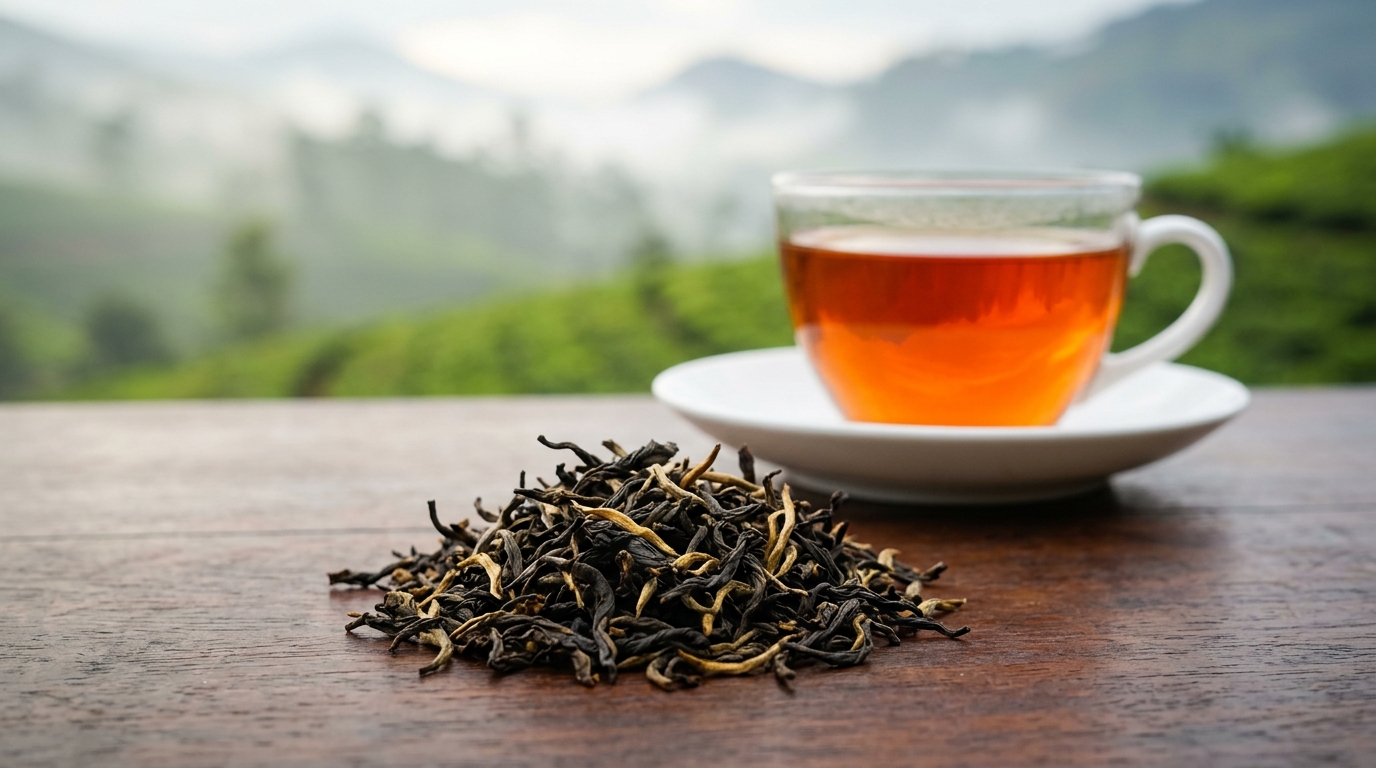
From Green Leaves to Brisk Black Tea: The Natural Oxidation Process Explained
The journey of a tea leaf from a lush, mountain-grown shrub to your morning cup is one of nature’s most fascinating biological transformations. In the misty highlands of Sri Lanka, the botanical science of tea is not merely a manufacturing step; it is a delicate dance between plant genetics, the terroir of the earth, and the rhythmic cycle of the seasons.
When we speak of "brisk" black tea, we are describing a sensory experience that combines brightness, astringency, and a refreshing finish. This quality is not accidental. It is the result of a precise, natural process called oxidation. By understanding how fresh leaves are handled and how their internal chemistry changes, we can truly appreciate why Ceylon black tea holds such a prestigious place in the world of fine beverages.
1. Plant Taxonomy, Morphology & Cultivars
The tea plant, Camellia sinensis, is an evergreen shrub that possesses a remarkable ability to store chemical precursors—the building blocks of flavor—within its leaves. In Sri Lanka, the history of Ceylon tea is deeply linked to the selection of specific cultivars that thrive in the island's unique tropical environment.
The leaves are structurally complex, featuring a cuticle that protects the plant and a network of internal cells called vacuoles. These vacuoles house polyphenols and enzymes. When the plant is grown at high altitudes, the leaves grow slowly. This slow growth allows the plant to concentrate its amino acids and essential oils, which are the primary contributors to the "briskness" that consumers crave. The morphology—the shape and size of the leaf—also dictates how the leaf will behave during the traditional process.
2. Soil Chemistry, Horizons & Mineral Absorption
The quality of tea begins deep beneath the surface. The regions of Sri Lanka provide a diverse range of soil profiles, from the rich, deep red soils of the central mountains to the mineral-laden earth of the lower elevations.
Tea plants are sensitive to the pH balance of the soil. Ideally, they prefer slightly acidic soil, which allows for the optimal uptake of minerals like potassium and magnesium. These minerals act as catalysts for the plant’s internal chemical processes. As the roots absorb water and nutrients, they transport them to the leaves. This mineral intake influences the development of the precursors that will eventually become the aromatic compounds—the floral, fruity, or malty notes—that define the tea’s sensory profile. Effective drainage is equally vital; the tropical rains must nourish the plant without waterlogging the roots, ensuring the plant remains healthy enough to produce a consistent flush of tender leaves.
3. Biochemical Transformations During Harvesting & Processing
The transition from a green, grassy leaf to a complex black tea is essentially an exercise in managed oxidation. This is a natural enzymatic reaction, not a chemical additive process.
Cellular Transformation Pathway
- Mechanical Harvesting & Withering: The process begins with the plucking of "two leaves and a bud." Once harvested, the leaves are spread on troughs to wither. During this stage, moisture content is reduced by 40-50%. This dehydration causes the cell walls to soften and the leaf to become pliable.
- Cellular steeping & Rolling: The leaves are then rolled. This mechanical action breaks the cell membranes and ruptures the vacuoles. This is the critical moment where the enzymes (polyphenol oxidase) finally meet the polyphenols that were previously stored in separate parts of the cell.
- Aerobic Enzymatic Reaction: Once the cell structure is ruptured, oxygen from the air interacts with the enzymes. This triggers the oxidation process. The leaves begin to darken, turning from green to copper. During this time, the polyphenols are converted into theaflavins and thearubigins, which provide the tea with its characteristic amber color and brisk, refreshing taste.
- Thermal Deactivation & Firing: To ensure the tea does not over-oxidize, the leaves are moved to a dryer. High-heat airflow is used to "fire" the tea. This heat destroys the enzymes, effectively stopping the oxidation at the exact moment the desired flavor profile is achieved.
4. Climatic Influences: warm days and cool mountain nights, Sunlight & Humidity
The environment in which the tea is grown—its terroir—acts as a thermostat for the chemical reactions occurring within the leaf. The Nuwara Eliya region, for example, is famous for its cool, misty climate.
The day-to-night swing—the difference between daytime and nighttime temperatures—is a critical factor. Cool nights slow down the plant’s metabolism, forcing it to focus its energy on producing complex sugars and amino acids. When the morning sun hits the leaves, these compounds are synthesized into the essential oils that give high-grown Ceylon tea its delicate, floral nose. Humidity also plays a role, as it keeps the leaf soft and prevents it from drying out too quickly on the bush, allowing the plant to reach its full potential before the plucking stage.
5. Cultivar Breeding & Pest Resilience
Modern agronomy focuses on sustainability and flavor consistency. Through careful breeding, researchers have developed cultivars that are naturally resistant to pests and diseases common in tropical climates.
These resilient varieties are not just about yields; they are designed to maintain the "brisk" quality of the leaf even under changing climate conditions. By selecting plants that have a strong genetic foundation, estate managers ensure that the quality of the tea remains high year after year. This approach also reduces the need for external interventions, keeping the production process natural and environmentally friendly.
Agronomic & Flavor Profile Table
| Variety or Cultivar | Optimal Elevation / Climate | Key Biochemical Compounds | Cup / Sensory Expression |
|---|---|---|---|
| High-Grown (Nuwara Eliya) | 1,800m+ / Cool, Misty | High Theaflavins, Amino Acids | Floral, Light, Brisk |
| Mid-Grown (Dimbula) | 1,200m–1,500m / Temperate | Balanced Polyphenols | Crisp, Refreshing, Golden |
| Low-Grown (Ruhuna) | Sea level–600m / Tropical | High Tannins, Thearubigins | Bold, Malty, Dark Amber |
| Uva Seasonal | 1,200m–1,500m / Dry Winds | Concentrated Essential Oils | Exotic, Honeyed, Pungent |
Frequently Asked Questions About Botanical Science & Cultivation
Does oxidation involve adding chemicals to the tea?
No. Oxidation is a completely natural biological process. It occurs when oxygen in the air reacts with enzymes naturally present inside the tea leaf after the leaf structure is gently broken.
Why is Ceylon tea known for being 'brisk'?
Briskness is a hallmark of Ceylon tea, caused by the unique combination of high-altitude climate, soil chemistry, and the specific rate of oxidation during processing, which preserves bright, lively flavor compounds.
What is the role of withering in tea production?
Withering is the first step where leaves are spread out to lose moisture. This makes the leaves soft and pliable, preparing them for the rolling process while concentrating the natural flavors.
How does elevation affect the flavor of black tea?
Higher elevations lead to slower growth, which allows the leaves to develop more complex aromatic compounds. This results in the refined, floral, and brisk profiles typical of regions like Nuwara Eliya.
Is all black tea oxidized the same way?
While the fundamental process of oxidation is similar, the duration and environmental control are adjusted by master tea makers to suit different leaf grades and regional characteristics.
Why do some teas have golden tips?
The golden tips are the young, unopened buds of the tea plant. They are rich in amino acids and provide a sweet, honey-like nuance to the final cup, often prized in Ceylon white tea and premium black tea grades.
Conclusion
The transformation from green leaves to the brisk, golden liquor of a fine Ceylon black tea is a testament to the harmony between nature and human expertise. By managing the delicate window of oxidation, tea makers ensure that the unique characteristics of the terroir are captured in every leaf.
As you explore the various types of tea available, remember that every cup tells a story of altitude, soil, and the dedicated hands that guided the leaf through its journey. We invite you to further your understanding by exploring the Ceylon tea ceremony or checking the latest Colombo auction prices to see how these botanical marvels are valued on the global stage. Your next cup is more than just a drink; it is an invitation to experience the peak of botanical craftsmanship.