
Kandy Ceylon Tea: The Historic Heart of Tea with a Rich, Warm Spiced Flavor
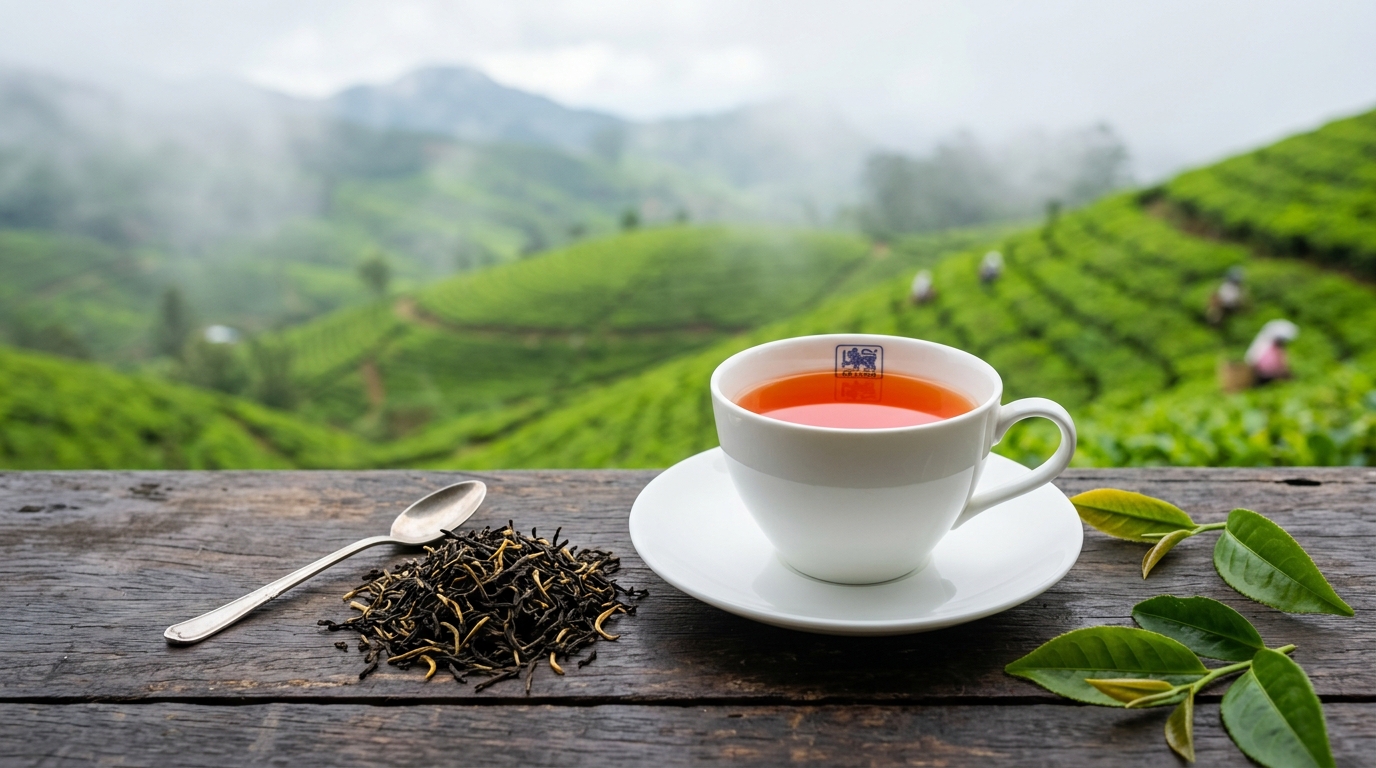
The mist rolls over the rolling hills of Kandy with a quiet, persistent grace. Here, in the central highlands of Sri Lanka, the air is thick with the scent of damp earth and verdant life. This is not just a place where tea is grown; it is the ground zero of the history of Ceylon tea. When the first commercial tea plants were tucked into the soil of the Loolecondera estate in 1867, a global legacy was born. Today, Kandy remains the beating heart of the industry, offering a Ceylon black tea that is as bold as the history that surrounds it.
Kandy tea is defined by its mid-grown nature. Unlike the high-altitude teas that trade strength for ethereal floral notes, Kandy tea commands attention. It is a full-bodied, robust cup that carries a signature warm, spiced character. For those who seek a tea with substance, depth, and a lingering, comforting finish, the terroir of Kandy is a destination worth exploring.
Geographic Geography, Topography & Elevation
The Kandy region is a complex landscape of ridges, valleys, and ancient river basins. Situated at an elevation ranging roughly from 2,000 to 4,000 feet above sea level, the topography creates a distinct environment for the Camellia sinensis plant. The slopes are steep, forcing the tea bushes to compete for space and nutrients, which in turn leads to a more concentrated flavor profile.
The region is sheltered by the surrounding mountain ranges, which act as a buffer against the harshest winds. This protection allows for a more stable climate throughout the year compared to the exposed peaks of the higher regions. The river valleys, particularly those feeding into the Mahaweli River, provide consistent moisture and create microclimates that allow the tea to develop its characteristic strength without becoming overly astringent.
Seasonal Monsoons, Rain Shadow & Sun Exposure
The rhythm of the harvest in Kandy is dictated by the island’s two primary monsoons: the Northeast and the Southwest. However, because Kandy is nestled in a relatively sheltered position, it does not experience the extremes seen in other regions. This creates a more reliable growing cycle, ensuring that the tea bushes have a steady supply of energy throughout the year.
- The Dry Intervals: During the drier months, the sunlight exposure intensifies. This is when the bushes undergo a period of gentle stress, which is vital for flavor development. The increased sun exposure encourages the plants to concentrate their essential oils, resulting in a deeper, richer liquor.
- The Monsoon Influence: When the rains arrive, they wash the slopes and replenish the soil. This cycle of rain followed by strong sunlight is what gives Kandy tea its unique balance. The plants are never dormant for long, resulting in a continuous, high-quality harvest that reflects the warmth of the tropical sun.
Soil Composition & Mineral Signatures
The soil in Kandy is a rich, red-brown laterite. It is heavily weathered and high in iron content, which gives the soil its distinct color. This mineral-rich composition is a primary driver of the "spiced" note often associated with the region’s teas. The iron and other trace minerals are absorbed by the roots of the tea plant and synthesized into the chemical compounds that make up the final flavor profile.
Furthermore, the leaf litter from the surrounding diverse tropical flora creates a rich, organic mulch. As this decomposes, it provides a slow-release source of nutrients that keeps the tea bushes healthy and productive. The drainage in these mountainous regions is excellent, preventing waterlogging and ensuring that the roots remain healthy and able to draw deep-seated minerals from the earth.
Iconic Growing Estates & Traditional Producers
The Kandy region is home to some of the most historic estates in the world. These properties are often family-run or managed with a deep respect for the traditional manufacturing process. Walking through these estates, one can still see the original tea factories, many of which have been updated with modern technology while retaining their historic, colonial-era architecture.
These producers focus on orthodox black tea production. The leaves are carefully hand-plucked, ensuring that only the youngest, most flavorful shoots make it to the factory. This attention to detail is what sets Kandy tea apart. Whether it is a large estate or a smaller, family-owned garden, the commitment to quality remains the common thread that links the past to the present.
The Regional Sensory Profile: Cup Character & Tasting Notes
When you pour a cup of Kandy tea, the first thing you notice is the color. It is typically a deep, bright, coppery-amber. It has a visual clarity that speaks to the quality of the processing. On the palate, the tea is full-bodied and robust.
The signature flavor of Kandy is often described as "warm" and "spiced." It is not a tea that hides behind delicate nuances; instead, it presents a bold, satisfying mouthfeel. You might detect notes of malt, dark honey, and a hint of something reminiscent of cinnamon or cloves. The astringency is present but balanced, providing a clean finish that makes it an ideal breakfast tea or a mid-afternoon pick-me-up.
Regional Terroir Comparison Table
| Sub-Region / Valley | Elevation Range | Peak Harvest Months | Color & Appearance | Signature Flavor Notes |
|---|---|---|---|---|
| Pussellawa | 2,500–3,500 ft | Feb–March | Bright Copper | Malty & Robust |
| Gampola | 2,000–3,000 ft | Jan–April | Deep Amber | Spiced & Full-Bodied |
| Dolosbage | 3,000–4,000 ft | Feb–May | Rich Red-Brown | Earthy & Strong |
| Nawalapitiya | 2,500–3,500 ft | Jan–March | Bright Coppery | Honeyed & Bold |
How Terroir Influences Quality Seasons
1. Weather Transition
Seasonal weather shifts reduce humidity and alter growth rates across the mountain ridge
2. Cold Mountain Air
Chilly nighttime temperatures stress the plant gently, concentrating essential aromatic oils
3. Peak Hand-Harvesting
Specialized plucking targets the young shoots at the exact peak of aromatic maturity
4. Micro-Batch Processing
Processing is adjusted to celebrate the unique seasonal character of the harvest
Frequently Asked Questions About Regional Terroir
How does the mid-grown nature of Kandy tea affect its caffeine content?
Generally, mid-grown teas like those from Kandy have a robust chemical profile, including a healthy level of natural caffeine. This provides a clean, sustained energy boost that is often preferred by those who enjoy a strong morning cup.
Can I drink Kandy tea without milk?
Absolutely. While its strength makes it a perfect candidate for a splash of milk or a slice of lemon, the tea is exceptionally smooth on its own. If you enjoy a bold, unadulterated black tea, Kandy is an excellent choice.
What is the difference between Kandy tea and Dimbula or Uva?
While Dimbula teas are often prized for their floral, high-grown complexity and Uva for its unique seasonal character, Kandy is the standard-bearer for strength. It provides a more consistent, full-bodied cup that is less dependent on specific seasonal "flushes" for its quality.
How should I store my Kandy tea to maintain its spiced notes?
Store your tea in an airtight container, away from direct sunlight, moisture, and strong odors. Because Kandy tea has a rich, bold character, keeping it in a cool, dark place will preserve those essential aromatic oils for months.
Are there different grades of Kandy tea available?
Yes, you will find a variety of tea grades from the region, ranging from whole leaf Orange Pekoe to broken leaf varieties. Broken leaves often infuse faster and produce a stronger, more intense cup, which is perfect if you enjoy your tea with milk.
Conclusion
Kandy is more than just a region on a map; it is the foundation upon which the world-renowned reputation of Ceylon tea was built. Its mid-grown estates provide a consistent, high-quality leaf that delivers a bold, spiced, and deeply comforting experience. Whether you are a long-time enthusiast or a newcomer to the world of specialty tea, Kandy offers a reliable and sophisticated cup that rewards the senses.
As you explore the diverse landscape of Sri Lankan tea regions, remember that Kandy serves as the perfect starting point. Its strength and warmth are the hallmarks of a classic black tea that has stood the test of time. We invite you to continue your journey by learning more about our manufacturing processes or by exploring the unique characteristics of our other high-elevation regions. Every cup tells a story—let the warmth of Kandy be the next chapter in yours.