
Kandy Ceylon Tea: The Historic Heart of Tea with a Rich, Warm Spiced Flavor
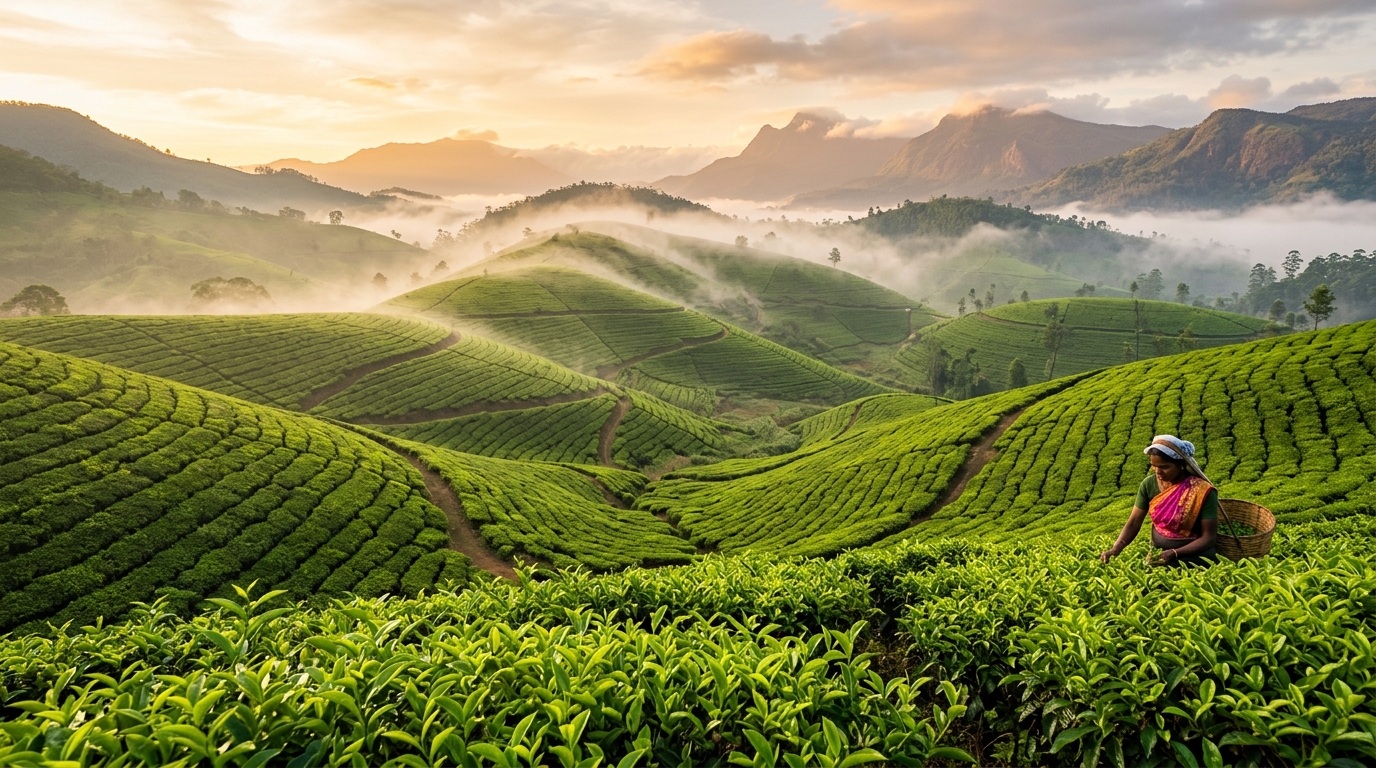
The mist clings to the jagged mountain ridges of the central highlands, where the air feels heavy with the scent of damp earth and verdant growth. In Kandy, the landscape is not merely a backdrop; it is the architect of a specific, bold tea character that defined the legacy of Ceylon black tea. As you look out over the rolling slopes, you are witnessing the cradle of the island’s commercial industry. This is where the first experimental tea bushes were planted in the 1860s, turning the tide of history after the collapse of the coffee plantations.
Kandy tea represents the quintessential "mid-grown" experience. Situated at an elevation that avoids the extreme chill of the high-altitude peaks yet remains far removed from the sweltering lowlands, these gardens benefit from a unique climatic sweet spot. The result is a cup that greets the palate with a robust, full-bodied confidence. It is a tea that commands attention, offering a warm, spice-forward profile that has become the benchmark for those who seek a comforting, deeply satisfying brew.
Geographic Geography, Topography & Elevation
The Kandy region occupies a unique central position in Sri Lanka’s geography. Unlike the sharp, vertical cliffs of the higher ranges, the Kandy topography is characterized by rolling, undulating hills and deep, fertile valleys. The tea gardens here are generally situated between 2,000 and 4,000 feet above sea level. This specific elevation range dictates the speed at which the tea leaves grow.
Because the climate is warmer than in the high-grown regions like Nuwara Eliya, the tea bushes grow at a steady, moderate pace. This allows the leaves to develop a greater density of flavor compounds. The slope aspects are varied, with estates often tucked into sheltered valleys that protect the plants from harsh winds, while others occupy exposed ridges that capture the morning sun. This diversity of terrain ensures that even within the Kandy region, there is a fascinating range of subtle differences in the final cup.
Seasonal Monsoons, Rain Shadow & Sun Exposure
The flavor of Kandy tea is intrinsically tied to the rhythm of the monsoons. Sri Lanka’s climate is governed by two main wind systems: the Northeast Monsoon and the Southwest Monsoon. Kandy sits in a position where it is somewhat sheltered by the surrounding mountain massifs, creating a localized microclimate.
During the drier months of January to March and August to September, the tea plants experience a period of relative stress. In the world of tea cultivation, a little stress is a good thing. It forces the plant to concentrate its energy into the young shoots and buds, resulting in a more intense aromatic profile. The sun exposure during these months is critical, as it encourages the development of the natural essential oils that give Kandy tea its signature warmth. When the rains return, they provide the necessary hydration to flush the bushes with new, vibrant growth, ensuring a consistent supply of high-quality leaf throughout the year.
Soil Composition & Mineral Signatures
Beneath the manicured rows of tea bushes lies a complex geological foundation. The soils in the Kandy region are predominantly red-yellow podzolic, which are rich in iron and aluminum oxides. These soils are deep and well-drained, a vital requirement for the health of the tea bush.
Over decades, the constant shedding of tea leaves and the decomposition of organic matter from the surrounding shade trees have created a rich, nutrient-dense topsoil. This organic mulch acts as a sponge, retaining moisture during the dry spells and providing a steady stream of minerals to the roots. It is this specific mineral signature, combined with the moderate mid-altitude temperatures, that contributes to the "spiced" characteristic for which Kandy tea is famous. You are not tasting added spices; you are tasting the mineral-rich essence of the Kandyan soil translated through the biology of the plant.
Iconic Growing Estates & Traditional Producers
The history of Kandy is a history of pioneers. When the coffee rust disease devastated the island’s economy in the 19th century, visionaries like James Taylor turned to tea. He established the first commercial tea plantation at Loolecondera, located in the Kandy district. Today, many of the estates in this region are direct descendants of those early traditional processes.
These estates are often managed with a deep respect for heritage. You will find historic factory buildings, many of which still house original rolling machines and firing equipment that have been meticulously maintained. The families and managers who oversee these estates prioritize the integrity of the leaf. They understand that Kandy tea is not about the delicate, floral notes of high-altitude teas, but about the boldness of the mid-grown character. By adhering to time-tested harvesting and processing techniques, they ensure that the regional identity remains intact.
The Regional Sensory Profile: Cup Character & Tasting Notes
When you brew a cup of Kandy tea, you are greeted by a deep, coppery-red liquor. It is a visual promise of the strength to follow. The aroma is distinctively warm, often described as having hints of malt, dried fruit, and a pleasant, woody spice that lingers at the back of the throat.
On the palate, Kandy tea is full-bodied and satisfying. It possesses a moderate level of astringency that acts as a palate cleanser rather than a harsh edge. It is this balance that makes it a favorite among those who enjoy their tea with a splash of milk. The milk does not overpower the tea; instead, it softens the robust edges, highlighting the malty, spiced notes. It is a "workhorse" tea in the best sense of the word—dependable, flavorful, and incredibly comforting at any time of day.
Regional Terroir Comparison Table
| Sub-Region / Valley | Elevation Range | Peak Harvest Months | Color & Appearance | Signature Flavor Notes |
|---|---|---|---|---|
| Gampola Valley | 2,000–3,000 ft | Jan–March | Bright Copper | Malty, honey-sweet, rich |
| Pussellawa | 2,500–3,500 ft | Aug–Sept | Deep Amber | Bold, spicy, full-bodied |
| Hewaheta | 3,000–4,000 ft | Jan–March | Dark Red | Woody, robust, malty |
| Matale Border | 2,000–3,500 ft | Aug–Sept | Bright Gold | Floral undertones, crisp |
How Terroir Influences Quality Seasons
The quality of a Kandy tea harvest is not accidental; it is the result of a precise interaction between nature and human stewardship. Understanding this cycle helps you appreciate why certain batches taste better than others.
- Weather Transition: Seasonal weather shifts reduce humidity and alter growth rates across the mountain ridge.
- Cold Mountain Air: Chilly nighttime temperatures stress the plant gently, concentrating essential aromatic oils.
- Peak Hand-Harvesting: Specialized plucking targets the young shoots at the exact peak of aromatic maturity.
- Micro-Batch Processing: Processing is adjusted to celebrate the unique seasonal character of the harvest.
Frequently Asked Questions About Regional Terroir
What makes Kandy tea different from other Ceylon teas? Kandy tea is "mid-grown," meaning it is cultivated at elevations between 2,000 and 4,000 feet. This elevation provides a perfect balance, resulting in a tea that is stronger and more full-bodied than the delicate high-grown varieties.
Does Kandy tea actually taste like spices? While it does not contain added spices, Kandy tea is famous for its naturally occurring "spiced" character. This is a sensory description of its robust, malty, and warm flavor profile that pairs exceptionally well with milk.
What is the best way to brew Kandy Ceylon tea? Use freshly boiled water and steep for 3 to 5 minutes. Because Kandy tea is full-bodied, it stands up well to a splash of milk or a slice of lemon, which highlights its rich, malty undertones.
Where is the Kandy tea region located? The Kandy region is located in the central hills of Sri Lanka, surrounding the historic city of Kandy. It is widely considered the birthplace of the commercial tea industry in the country.
When is the best time to buy Kandy tea? Kandy tea is produced year-round, but the best quality often emerges during the dry periods of January to March and August to September. These times allow for optimal leaf development.
Can I visit these tea estates? Yes, many historic estates in the Kandy region offer tea tours, allowing you to see the traditional process from leaf to cup. It is a recommended pilgrimage for any serious tea enthusiast.
The Timeless Appeal of Kandy
Kandy tea is the foundation upon which the reputation of Ceylon tea was built. It is a regional profile that refuses to be ignored, offering a depth and character that high-altitude teas often lack. Whether you are a fan of a strong morning wake-up or a comforting afternoon brew that pairs perfectly with a biscuit, Kandy provides an experience that is both historic and refreshingly honest.
As you explore the wide world of Ceylon black tea, remember that the heart of the industry still beats in the mid-grown hills of the central province. The next time you pour a cup of Kandy, take a moment to appreciate the history, the soil, and the climate that converged to create that warm, spiced note. If you are looking to deepen your understanding of these regional nuances, we invite you to explore our full guide to Sri Lankan tea regions to see how Kandy compares to its high-grown and low-grown neighbors.