
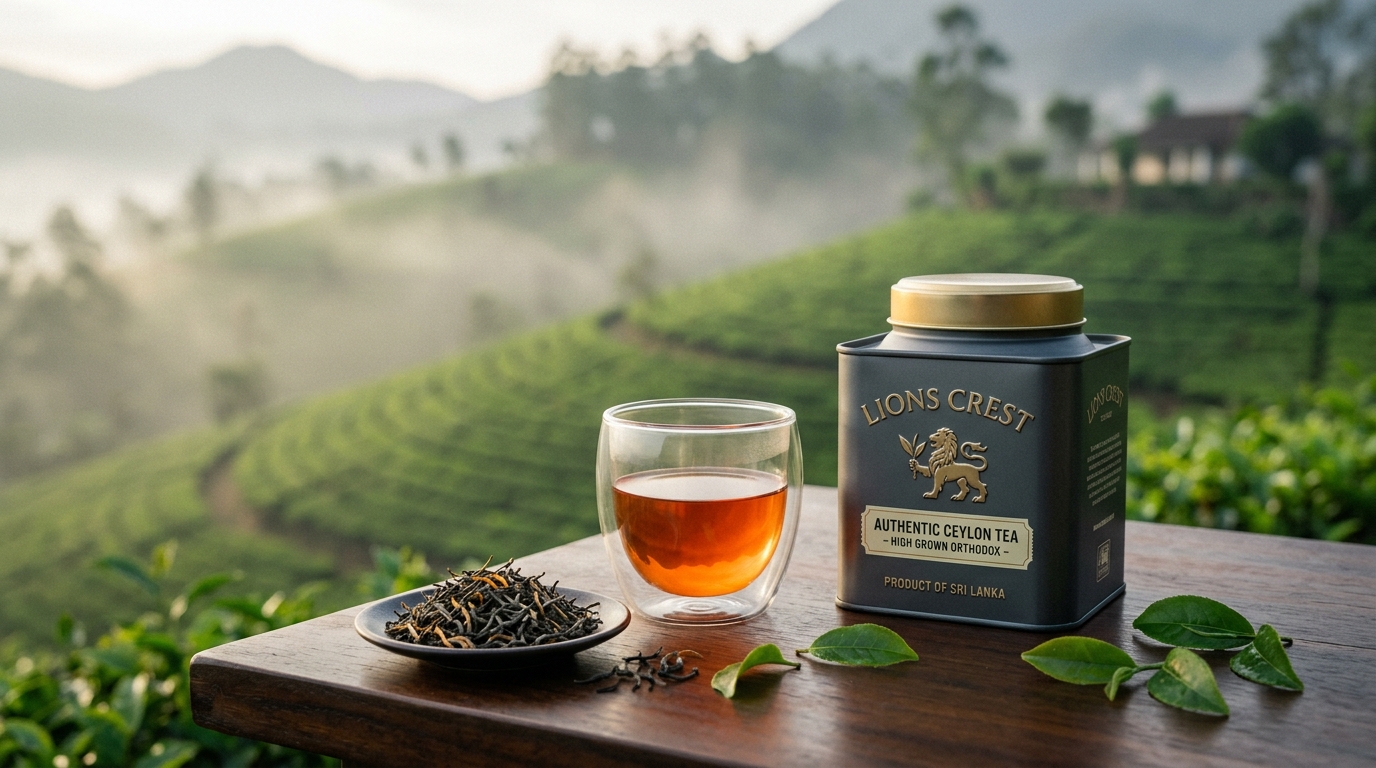
Packed in Sri Lanka: Why Fresh Retail Packaging at Source Is the Future of Tea
The global tea trade is undergoing a fundamental shift. For decades, the industry relied on shipping vast quantities of bulk tea to secondary markets, where it would be blended, packaged, and branded. Today, that model is being challenged by a more efficient, quality-focused approach: packing tea at the source. By moving the value-addition process directly to the gardens and factories of Sri Lanka, the industry is not only preserving the integrity of the leaf but also reshaping the economic landscape of the tea trade.
In the current fiscal year, data indicates a significant pivot in export dynamics. International buyers are increasingly bypassing third-party blenders in favor of direct-from-origin, retail-ready packs. This transition is driven by a consumer base that demands transparency, freshness, and authentic provenance. When tea is packed in Sri Lanka—whether in airtight tins or high-quality pyramid bags—it bypasses unnecessary handling, ensuring that the nuances of the terroir are captured in every cup.
1. Current Global Demand & Export Volume Dynamics
The demand for premium, origin-certified tea has reached a historic inflection point. While bulk commodity exports remain a baseline, the fastest-growing segment in the international market is value-added tea. Sri Lanka has long been a leader in this transition, leveraging its reputation for producing the world’s cleanest tea.
Consumer markets in Europe, North America, and East Asia are showing a clear preference for brands that can verify exactly where their tea was grown. This is not merely a preference for "natural" products; it is a sophisticated demand for supply chain security. As global logistics face recurring disruptions, the ability to source a finished product directly from a stable, high-quality origin like Sri Lanka offers a hedge against the volatility of international blending hubs.
2. Auction Price Trends & Price Discovery Across Tiers
The Colombo Auction remains the heartbeat of the global tea trade. Unlike other markets, it operates on a transparent, competitive model that rewards quality. Price discovery here is highly sensitive to elevation, with teas from Nuwara Eliya and Dimbula consistently fetching premiums during peak seasons.
When tea is packed at the source, the price discovery process changes. Instead of selling raw material to an intermediary, producers or specialized packing firms capture the value of the finished brand. This allows for a more stable pricing structure that isn't solely dependent on the daily fluctuations of bulk auction prices. For the buyer, this means a more predictable cost structure and a higher-quality product that retains its regional character.
3. Supply Shocks, Climatic Impact & Production Volumes
The tea industry is uniquely sensitive to the environment. From the tropical monsoons to the cool, crisp air of the central highlands, the manufacturing process is a direct reflection of the weather. Recent climatic shifts have forced producers to become more efficient, using precision agriculture to manage yields.
When tea is packed at the source, it provides a vital buffer against these shocks. By consolidating the process from leaf to box within a single geographic footprint, the carbon footprint is reduced, and the risk of contamination or degradation during long-distance bulk shipping is eliminated. This model turns the "supply chain" into a "value chain," where every step is designed to protect the harvest from the unpredictable nature of global logistics.
4. Emerging Destination Markets & Retail Channel Growth
We are observing a surge in direct trade with emerging markets that previously relied on wholesale re-exports. Countries in the Middle East and parts of Southeast Asia are now importing retail-ready Ceylon tea directly from the source. These consumers are no longer settling for generic "tea dust" from unknown origins; they are seeking the specific, high-quality profiles associated with Ceylon black tea and Ceylon green tea.
This growth is supported by the expansion of premium retail channels. Gourmet grocery chains and boutique online retailers are prioritizing brands that highlight their origin story. By packing in Sri Lanka, these brands can provide a level of traceability that is impossible to achieve when tea is shipped in bulk containers to be blended in a foreign facility.
5. Value Addition at Source: The Move from Bulk to Consumer Packs
The economic argument for packing at the source is compelling. When bulk tea is exported, the value added by packaging, branding, and marketing is captured by companies in the importing country. When the tea is packed in Sri Lanka, that value stays within the local economy, supporting local printing, packaging materials, and skilled labor.
Value Creation Pathway: From Production to Retail
- Primary Harvest & Production: Producers craft raw product, absorbing farm-gate operational and labor costs.
- Centralized Auction / Discovery: Licensed brokers catalog and test lots, selling through transparent competitive bidding.
- Value Addition & Packaging: Processors clean, blend, and seal products into finished retail formats under quality standards.
- Global Logistics & Delivery: Temperature-monitored container vessels transport goods to international distributors.
This pathway ensures that the tea remains in a controlled environment from the moment it leaves the traditional process floor until it reaches the retail shelf. It is a win-win for the producer, who gains a larger share of the profit, and the consumer, who receives a fresher, more authentic product.
6. Strategic Sourcing Outlook: Projections for the Coming Year
For procurement directors and brand owners, the strategy for the coming year is clear: prioritize direct-from-origin relationships. The era of the generic bulk blender is waning, replaced by a demand for "origin-first" procurement.
We expect to see a 10–15% increase in the volume of finished, retail-packed Ceylon tea exports. Brands that invest in these direct channels will benefit from higher consumer trust and a stronger competitive position. If you are looking to secure your supply, start by engaging with the exporters directory to find partners who can offer transparency and quality-assured packaging.
Market Trends & Trade Data Table
| Market Region / Product Tier | Export Volume (Metric Tons) | Average Price Trend ($/kg) | Primary Growth Drivers |
|---|---|---|---|
| Premium Orthodox Leaf | 45,000 | Rising | Gourmet retail demand |
| Specialty White/Green | 8,500 | High | Health-conscious consumer base |
| Bulk Commodity Tea | 180,000 | Stable | Industrial/Mass market demand |
| Value-Added Retail Packs | 32,000 | Rising | Direct-to-consumer provenance |
Frequently Asked Questions About Market Trends
Why is tea packed in Sri Lanka considered fresher?
Packing at the source minimizes transit time and exposure to environmental variables. By sealing tea in its final retail format immediately after processing, the delicate essential oils and aroma profiles are locked in before the long journey to the consumer.
How does source packaging benefit local communities?
It shifts the economic value from low-margin bulk exports to high-margin finished goods. This creates skilled jobs in manufacturing, printing, and logistics within Sri Lanka, keeping more revenue inside the country of origin.
Does source packaging affect the quality of the tea?
Yes, it preserves it. Bulk tea is often handled multiple times, which can degrade leaf integrity. Retail-ready packaging in Sri Lanka ensures the tea reaches the consumer in the same condition as when it left the factory.
What is the primary difference between bulk and retail-packed tea?
Bulk tea is a commodity sold by weight in large chests, often blended abroad. Retail-packed tea is a finished, branded product that retains its regional identity and purity, often protected by the Lion Logo of Ceylon Tea.
Is the future of tea moving toward more source-based packaging?
Yes, global consumers are increasingly demanding transparency and provenance. Brands that pack at the source can guarantee the integrity of their supply chain, which is a major competitive advantage in modern retail.
How can I verify the authenticity of origin-packed tea?
Always look for the Ceylon Tea Lion Logo on the packaging. This symbol is a government-regulated mark that guarantees the tea was grown, processed, and packed in Sri Lanka, adhering to strict quality standards.
Conclusion
The shift toward packing tea at the source is not just a trend; it is a necessary evolution of the global tea trade. By prioritizing the origin, we protect the unique terroir of regions like Uva and Kandy, ensure the long-term economic viability of the industry, and provide the consumer with an unparalleled sensory experience.
As we look toward the future, the integration of technology and traditional craftsmanship will continue to define the market. Whether you are an importer, a brand owner, or a discerning enthusiast, the path forward is clear. By choosing tea that is packed at the source, you are supporting a more sustainable, transparent, and higher-quality future for the world’s favorite beverage. We invite you to discover more about the history of Ceylon tea to better understand the legacy you are supporting with every purchase.