
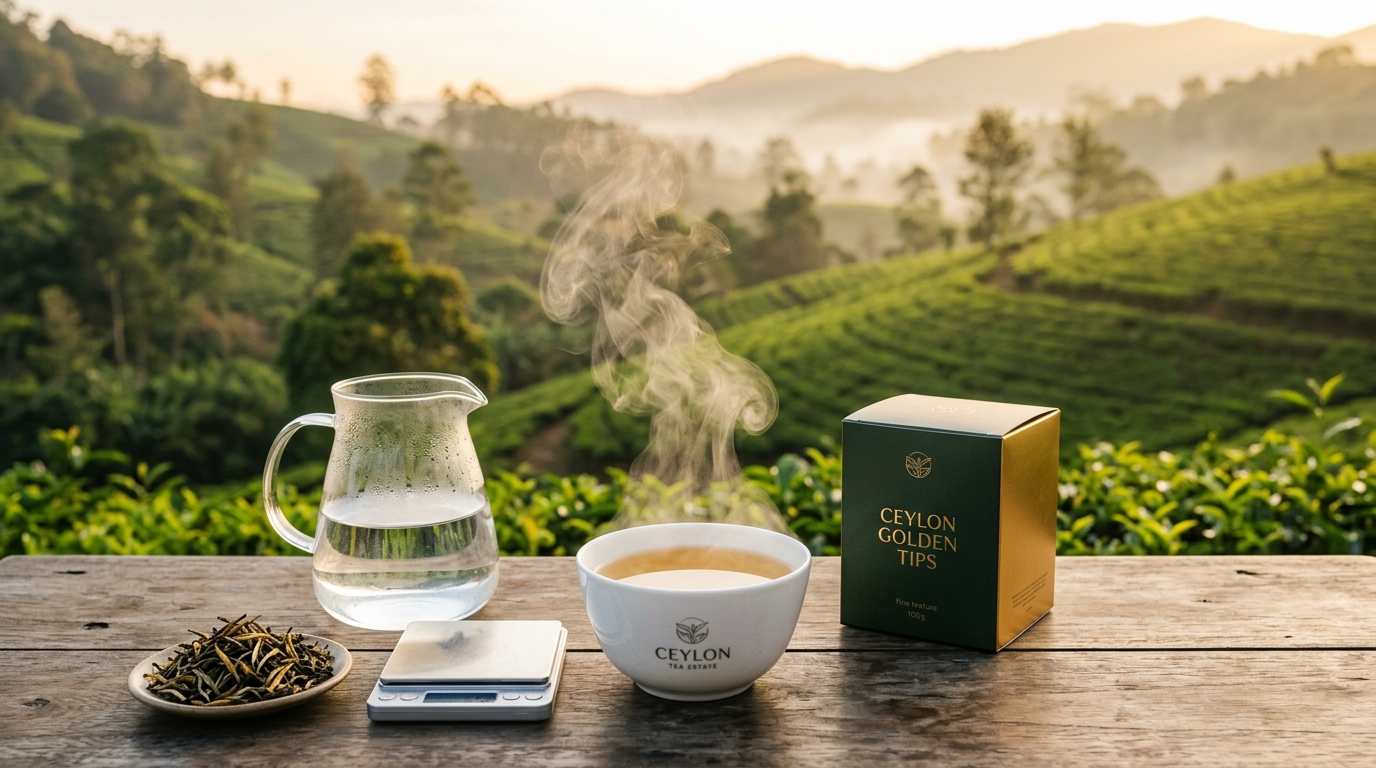
The Secret to Better Tea: Why Spring Water Temperature and Minerals Matter
The morning sun hits the cupping table, casting long shadows across the rows of pristine, white porcelain bowls. In this quiet corner of the tasting room, there is no room for guesswork. Here, the air is still, and the focus is entirely on the interaction between leaf and liquid. To the untrained eye, tea brewing is a simple act of adding hot water to dried leaves. To the master grader, it is a delicate chemical experiment where the solvent—the water—is just as important as the tea itself.
If you have ever wondered why your home brew lacks the vibrant, sweet finish found in professional tastings, the secret rarely lies in the tea itself. It lies in the water. Specifically, it lies in the mineral composition and the thermal energy applied during the infusion. When we talk about the soul of a tea, we are really talking about how that tea expresses itself under the right conditions.
1. The Cupping Protocol: Equipment, Water & Ratios
Professional sensory evaluation, or cupping, follows a rigorous, standardized protocol. This is not for show; it is to ensure that the tea is the only variable being judged. If the water quality fluctuates or the temperature is inconsistent, the evaluation becomes meaningless.
- The Equipment: We utilize standardized white porcelain bowls with lids. The white interior allows us to judge the liquor’s brightness and clarity accurately.
- The Water: We exclusively use water with a neutral pH and a low-to-moderate mineral content. High-alkaline or heavily chlorinated water is strictly forbidden, as it flattens the flavor profile.
- The Ratio: The industry standard is 5.6 grams of dry leaf to 300 milliliters of water. This precise ratio ensures that the liquor is concentrated enough to reveal the tea's structural integrity, from its initial briskness to its final finish.
2. Dry Leaf Evaluation: Appearance, Sizing & Craftsmanship
Before a single drop of water touches the leaf, we perform a dry inspection. This is where we gauge the craftsmanship of the factory. We look for uniformity in leaf size—ensuring the grade is consistent—and check for the presence of "tips" or buds, which indicate a high-quality harvest.
A clean, well-processed leaf should feel crisp and smell faintly of the garden. Whether it is a bold Ceylon Black Tea or a delicate Ceylon White Tea, the dry leaf tells the story of the traditional manufacturing process. We check for:
- Twist and Integrity: A tight, consistent roll suggests proper oxidation control.
- Cleanliness: The absence of stalk or foreign matter indicates careful sorting.
- Color: A deep, uniform hue is a sign of proper firing and moisture reduction.
3. The Infusion Phase: Temperature, Steeping Time & Volatiles
Water temperature acts as the key to a vault. If the water is too cold, the vault stays locked; the aromatic compounds (volatiles) remain trapped in the leaf. If the water is too hot, you force the door open too quickly, releasing harsh tannins and bitter catechins that overwhelm the delicate sweetness of the tea.
For most Ceylon Black Tea, we aim for 95°C. This temperature provides enough energy to extract the full spectrum of the tea’s flavor without scorching the amino acids that provide that signature, honey-like sweetness. When you brew at home, using a variable-temperature kettle is the single most effective upgrade you can make to your routine.
Professional Sensory Cupping Protocol
4. Wet Leaf Aroma & Color Inspection
Once the leaves have been infused for five minutes, we lift the lid. The aroma released here is the "first impression." A superior tea will smell like fresh mountain air, floral honey, or warm spice, depending on the region. If you smell damp cardboard or a metallic sharpness, your water is likely the culprit, not the tea.
The color of the wet leaf should be vibrant, never muddy. A clear, brilliant liquor indicates that the minerals in your water are working in harmony with the tea’s natural chemistry. If the liquor looks dull, it is often a sign of water with high carbonate hardness, which reacts with the tea’s polyphenols to create a murky, unappealing brew.
5. Palate Evaluation: Briskness, Body & Flavor Architecture
This is the most critical stage. We use an aerated slurp—a technique that draws oxygen into the liquid as it hits the tongue. This forces the volatile compounds into the lingering aftertaste passage, where the brain can fully process the complexity of the flavor.
We are looking for three things:
- Briskness: The lively, refreshing sensation that makes Ceylon tea world-famous.
- Body: The weight or "mouthfeel" of the tea. Is it silky, heavy, or light?
- Finish: How long the flavor lingers after swallowing. A long, clean finish is the hallmark of a high-altitude tea from Nuwara Eliya.
6. The Taster's Lexicon: Decoding Scoring Terminology
To communicate quality, we use a shared language. Understanding these terms will help you evaluate your own tea purchases:
- Bright: A lively, clear liquor with a slight acidic sparkle.
- Coppery: A desirable color for a well-oxidized black tea liquor.
- Pungent: A strong, stimulating flavor profile often found in Uva teas.
- Body: The physical sensation of the tea’s density on the palate.
- Astringency: A drying sensation that is different from bitterness; it should be pleasant and palate-cleansing.
Master Sensory Scorecard Table
| Grade / Lot Tier | Dry Leaf Appearance | Liquor Brightness | Body & Viscosity | Flavor Notes | Finish Duration |
|---|---|---|---|---|---|
| High-Altitude BOP | Wiry, dark, uniform | Brilliant, golden-amber | Medium, silky | Floral, citrus | Long, crisp |
| Mid-Grown FBOP | Twisted, tip-heavy | Deep, reddish-brown | Full, rounded | Honey, malt | Medium, smooth |
| Low-Grown Pekoe | Bold, dark, glossy | Intense, dark copper | Heavy, viscous | Caramel, spice | Long, sweet |
| Standard CTC | Granular, uniform | Bright, strong | Robust, sharp | Malty, bold | Short, clean |
The Role of Minerals in Your Cup
Water is not just H2O. It is a solution of dissolved minerals—calcium, magnesium, and bicarbonates—that act as a bridge for flavor. If your water is too "hard" (high mineral content), it will bind to the tea’s natural compounds, creating a flat, dull flavor and even a film on the surface of the cup.
If you use pure spring water, you provide a clean canvas. The minerals in good spring water are balanced enough to enhance the tea’s natural sweetness without masking its delicate aromatics. When you make the switch to high-quality spring water, you will notice that the bitter aftertaste you might have previously blamed on the tea often vanishes entirely. It is a revelation for anyone who considers themselves a tea enthusiast.
Elevating Your Daily Ritual
You do not need a laboratory to apply these lessons. Start by sourcing a clean, low-mineral spring water. Use a thermometer to ensure your water is at 95°C for black teas, or 80°C for green teas. Watch how the leaf unfurls. Smell the steam before you take your first sip.
By controlling these variables, you are no longer just making a drink; you are engaging in a sensory experience. You are honoring the labor of the pluckers and the expertise of the tea makers. You are, in essence, becoming a connoisseur of your own daily ritual.
As you explore different types of Ceylon tea, remember that your brewing method is a conversation between you and the garden. Listen to what the tea is telling you. If it is too bitter, lower your temperature. If it is too thin, adjust your leaf-to-water ratio. The perfect cup is not a destination; it is a process of refinement that rewards those who pay attention to the details.
For more insights into the science behind the leaf, read our guide on botanical science and continue your journey into the world of authentic Ceylon tea. Your palate will thank you for the extra effort.