
The Secret to Better Tea: Why Spring Water Temperature and Minerals Matter
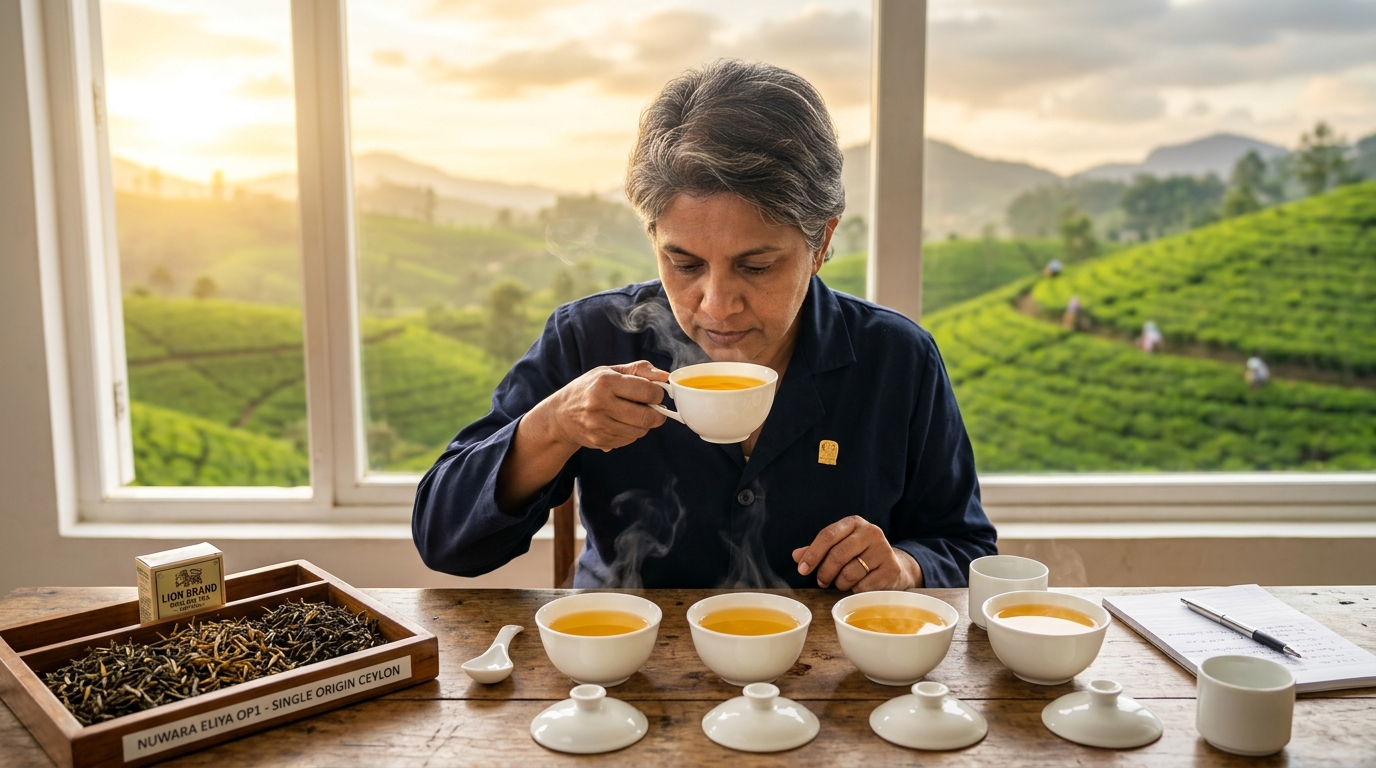
Step inside a professional tea tasting room on a clear morning, and you enter a sanctuary of focus and sensory discipline. Long white tables are lined with pristine porcelain tasting bowls, polished silver spoons, and sample trays containing freshly manufactured tea leaves. As natural sunlight streams through the window, gentle clouds of steam rise from the porcelain cups. The room fills with the rich scent of warm malt, mountain mist, wild honey, and citrus. Here, master tea tasters evaluate hundreds of teas every morning to grade their quality, assign fair market value, and protect the world-famous reputation of single-origin Ceylon Black Tea.
You do not need decades of commercial experience to taste tea like a professional. The biggest secret to turning an ordinary cup of tea into a extraordinary sensory experience comes down to one element that many people overlook: your water. Water makes up more than 98% of your brewed cup. If your water lacks the right natural minerals, or if you pour it at the wrong temperature, even the finest high-grown leaf will taste flat, harsh, or bitter.
In this tasting guide, you will learn how fresh spring water, mineral balance, and precise temperature extraction bring out natural sweetness, vivid colors, and lingering floral notes in your cup.
1. Inside the Tasting Room: How Tea Experts Taste Tea
In the international tea trade, sensory evaluation is called "cupping." Master tasters use a standardized setup so every sample faces the exact same test. The basic tools are simple: a white porcelain tasting cup with a handle, a matching bowl, a slotted lid, and a deep cupping spoon. Porcelain is used because its smooth glass-like surface is non-porous. It will not absorb smells or change the natural taste of the liquor.
The process is disciplined and fast. Tea tasters measure out a precise weight of leaf, add boiling water, steep for a set time, and pour the liquid out into the tasting bowl. The wet leaves rest on top of the inverted lid, right above the filled bowl, allowing the taster to evaluate the dry leaf, wet leaf, and liquid all at once.
THE TASTING ROOM SETUP
Sample Tray ]: [ Porcelain Bowl ]: [ Slotted Lid
When you watch a master taster evaluate a cup, the first thing you notice is the sound. Tasters do not sip quietly. They take a large spoonful of tea and slurp it forcefully into their mouth.
This loud slurp serves a crucial scientific purpose. Aerating the liquid sprays fine droplets across your entire tongue and the roof of your mouth. At the same time, air carries aromatic vapor into the back of your nasal passages. This combination lets you evaluate mouthfeel, bitterness, acidity, and aroma at the exact same moment.
2. Examining the Dry Leaf: Color, Shape, and Quality Clues
Long before a single drop of water touches the leaf, professional evaluation begins with the dry leaf inspection. Tasters scoop a handful of dry leaves onto a flat wooden or black paper tray. They look closely under neutral morning light to judge how well the leaf was processed in the factory.
When examining high-grade orthodox tea, tea experts search for specific physical clues:
- Neatness and Twist: High-quality leaves are rolled into tight, wire-like shapes. A clean, uniform twist proves that the factory carefully withered and rolled the leaf without crushing it into broken fragments.
- Color and Bloom: Deep, rich black leaves with a healthy sheen show excellent oxidation and firing. Dull, gray, or flaky leaves often mean the leaf was damaged during handling or exposed to excess air moisture.
- Tips: Golden or silver tips (the young, unopened leaf buds) are signs of careful hand-picking. Grades like FBOP (Flowery Broken Orange Pekoe) display small golden tips that add a natural honeyed sweetness to the tea.
- Leaf Size Consistency: A good sample contains leaves of uniform size. If a batch mixes large open leaves with tiny tea dust, the small pieces will over-extract and make the cup bitter while the large leaves remain under-steeped.
Understanding dry leaf grades helps you choose the right tea for your taste preference. Whole-leaf grades like OP1 (Orange Pekoe 1) deliver smooth, subtle flavors that develop slowly. Smaller broken grades extract quickly, creating a stronger, bolder brew with a lively reddish hue.
3. The Steeping Test: Perfect Water, Timing, and Temperature
The steeping test is where science and culinary art meet. A tea leaf contains hundreds of natural compounds, including polyphenols, amino acids (like L-theanine), caffeine, and aromatic essential oils. How these compounds dissolve into your cup depends almost entirely on the chemical quality and temperature of your water.
WATER CHEMISTRY BALANCE
Why Tap Water Harms Fine Tea
Tap water usually contains chlorine, fluoride, and heavy mineral deposits. Highly chlorinated water coats the palate and masks delicate floral aromas. Hard tap water—which contains excess calcium carbonate—neutralizes natural tea acids. Hard water makes a black tea look dark and muddy, leaving a heavy metallic film on top of the cup and flattening the lively flavor.
Conversely, distilled or reverse-osmosis water has zero minerals. Pure water without minerals extracts polyphenols too aggressively, resulting in a thin, sharp, and overly bitter cup that lacks body.
The Spring Water Sweet Spot
The ideal brewing base is fresh spring water with a neutral pH (between 6.5 and 7.2) and a low-to-moderate mineral level (Total Dissolved Solids or TDS between 30 and 120 ppm). Balanced amounts of natural calcium and magnesium in spring water act as flavor bridges. They bind lightly with tea polyphenols, releasing gentle malt sweetness and floral fragrance while keeping harsh bitterness in check.
The Role of Water Temperature
Water temperature controls the speed of extraction. Different natural compounds dissolve at different temperatures:
- Amino acids (sweetness and brothiness): Dissolve easily in cool to warm water (60°C to 70°C).
- Caffeine and Polyphenols (bitterness and structure): Dissolve rapidly at near-boiling temperatures (90°C to 100°C).
- Essential Oils (aroma and fragrance): Turn into vapor quickly when exposed to high heat.
If your water is too cold, the leaf fails to open, leaving the brew light and tasteless. If your water is continuously boiled or re-boiled, dissolved oxygen escapes, making the water taste flat.
For high-grown black teas from regions like Nuwara Eliya or Dimbula, pour fresh spring water that has just reached a rolling boil at 95°C to 98°C (203°F to 208°F). Steep for exactly 5 minutes. This precise window extracts full body and briskness while keeping astringency smooth and pleasant.
Delicate varieties like Ceylon Green Tea or white tea grades such as Ceylon Silver Tips require lower temperatures (75°C to 80°C / 167°F to 176°F) and shorter steep times (2 to 3 minutes) to protect delicate grassy notes from scorching.
4. Smelling the Wet Leaves: Freshness, Aromas, and Bright Coppery Colors
After 5 minutes of steeping, the liquid is strained into the tasting bowl, and the infused leaves (called the "spent leaf" or "wet leaf") are placed on the inverted lid. Professional tasters spend significant time examining and smelling the wet leaf before taking a single sip.
WET LEAF (INFUSION) SIGNS
The wet leaf reveals clear evidence about the harvest quality and factory craft:
- Infusion Color: In black tea, look for a bright, fiery coppery-red color. A rich coppery hue confirms the leaf was properly withered, oxidized, and fired in the factory. Dark brown or dull black wet leaves suggest the leaf was over-oxidized or stored improperly.
- Aroma Release: Lift the lid close to your nose and inhale deeply while the leaves are still hot. Fresh high-grown teas release layered aromas: sweet pasture grass, wintergreen, pine, or baked apple. As the leaf cools, check if the scent stays sweet and clean. Any sour, metallic, or smoky smells indicate manufacturing flaws.
- Leaf Elasticity: Touch the wet leaves gently. High-quality orthodox leaves feel soft, supple, and springy. If the leaf feels slimy or breaks apart into mush, the fresh leaf was damaged before processing.
5. Tasting the Brew: Body, Briskness, and Lingering Finish
Now comes the moment of truth: tasting the liquid brew. Bring the cup to your lips, take a spoon, and slurp aerated tea across your tongue. Pay close attention to how the tea behaves across three distinct areas of your mouth: the tip of the tongue, the sides, and the back of your throat.
PALATE SENSORY MAP
Understanding Ceylon Briskness
The most celebrated trait of single-origin Ceylon tea is briskness. Briskness is not bitterness; it is a clean, refreshing, dynamic snap on the sides of your tongue. It feels like the crisp bite of a fresh green apple. Briskness comes from a balanced concentration of natural compounds called theaflavins, formed during careful orthodox rolling and oxidation.
Weight and Body
Next, evaluate the weight of the liquid in your mouth. Low-grown teas from regions like Ruhuna and Sabaragamuwa offer a thick, heavy mouthfeel with deep notes of caramel, dark chocolate, and molasses. Mid-grown teas from Kandy deliver a balanced, medium body that pairs perfectly with food. High-grown teas from Uva offer lighter body with intense aromatic punch.
The Lingering Aftertaste
A great tea does not disappear when you swallow. The final mark of quality is its finish—the lingering aftertaste that remains in your throat and mouth for minutes after drinking. Clean spring water and proper brewing temperatures leave a sweet, refreshing, cooling sensation in the throat, free from dry, harsh, or metallic raspiness.
6. The Taster's Scorecard: What the Professional Words Really Mean
Professional tea tasters use specific terms to score every cup. Understanding these words helps you describe what you taste and select teas tailored to your palate:
- Bright: A clear, sparkling liquid visual with a golden or red rim. Brightness indicates fresh, high-altitude leaf fired correctly.
- Coppery: The ideal color of infused wet leaves, showing optimal oxidation balance.
- Pungent: A lively, crisp, refreshing bite on the tongue that wakes up your senses without harshness.
- Malty: A warm, comforting aroma reminiscent of freshly baked biscuits or toasted grain, common in rich low-grown teas.
- Full-Bodied: A brew that feels substantial, rich, and rounded on the palate, offering depth and satisfying weight.
- Flat: A dull cup that lacks life, usually caused by old tea leaves, stale water, or low brewing temperatures.
To help you compare different growing regions and leaf grades, review this professional tasting flight breakdown:
Master Tea Tasting Scorecard
| Ceylon Tea Grade & Region | Dry Leaf Appearance | Brew Color & Brightness | Briskness & Mouthfeel | Main Flavor Notes | How Long the Taste Lingers |
|---|---|---|---|---|---|
| [Nuwara Eliya](/regions/nuwara-eliya-ceylon-tea) OP | Long, wire-like, light golden-green tint | Very pale golden, bright yellow rim | Delicate, subtle snap, lightweight body | Wild jasmine, white peach, crushed eucalyptus | Long, cooling floral finish |
| [Dimbula](/regions/dimbula-ceylon-tea) BOP | Small, neatly broken, uniform dark black | Brilliant reddish-gold, highly transparent | High briskness, lively dynamic snap | Citrus zest, oak wood, blossom honey | Crisp, clean, refreshing aftertaste |
| [Uva](/regions/uva-ceylon-tea) PEKOE | Curly, shotty spherical leaf rolls | Deep amber with rich clarity | Medium body, intense aromatic sharpness | Exotic wintergreen, menthol, sweet grass | Lingering aromatic cooling sensation |
| [Ruhuna](/regions/ruhuna-ceylon-tea) FBOP | Intensely black, heavy with golden tips | Deep ruby red, rich and thick | Heavy full body, smooth low acidity | Dark caramel, dates, cocoa, wildflower honey | Warm, sweet, malty finish |
| [Ceylon Silver Tips](/types/ceylon-golden-silver-tips) | Untouched velvet buds, shimmering silver | Pale champagne green, translucent | Very soft, velvety, silky smoothness | Fresh melon, sweet hay, light blossom | Gentle, sweet honeyed finish |
Professional Tea Tasting (Cupping) Step-by-Step Guide
Frequently Asked Questions About Professional Tea Tasting
Can I use filtered tap water instead of bottled spring water?
Yes. A quality carbon filter jug removes chlorine, bad odors, and coarse sediment from tap water, making it much better than plain tap water. However, if your tap water is extremely hard or soft, filtering will not adjust the mineral count to the ideal 30–120 ppm range that spring water naturally provides.
Why does my tea taste bitter even when using good spring water?
Bitterness is usually caused by using water that is too hot for green or white tea, using too much leaf, or steeping black tea past the 5-minute mark. To reduce bitterness, measure your leaf-to-water ratio carefully (about 2 grams of leaf per 150ml water) and use our Interactive Brewing Timer & Calculator.
Should I cover my cup while the tea is steeping?
Always cover your mug or teapot during steeping. Covering retains steam heat so the water temperature stays constant throughout extraction. It also prevents delicate aromatic essential oils from evaporating into the air before you take your first sip.
What is the difference between single-origin tea and commercial blends?
Single-origin Ceylon tea comes from one specific region or estate, capturing the unique climate, elevation, and soil of that garden. Commercial tea blends mix leaves from multiple countries to lower cost and maintain a uniform taste, often losing the distinct seasonal characters found in pure origin teas.
Why does Ceylon black tea turn cloudy when poured over ice?
Tea clouding happens when natural polyphenols and caffeine bind together as the liquid cools rapidly. This is actually a sign of high quality and high polyphenol content. Using spring water with balanced minerals minimizes clouding when making iced tea.
How can I practice professional tea tasting at home?
Set up a side-by-side tasting flight. Brew two or three different teas—such as a high-grown Nuwara Eliya and a low-grown Ruhuna—using identical white mugs, equal water weight, and spring water boiled to the same temperature. Slurp each tea with a spoon and note the differences in color, aroma, briskness, and aftertaste using our Interactive Sensory Heatmap & Flavour Wheel.
Does the Pure Ceylon Tea Lion Logo guarantee water quality testing?
The Pure Ceylon Tea Lion Logo certifies that the tea leaves inside the pack are 100% pure single-origin Sri Lankan tea, processed and packed in Sri Lanka under strict ISO quality standards. While the Lion Logo guarantees leaf purity and safety, combining these certified leaves with soft spring water at home unlocks their full potential.
Mastering the Craft of the Daily Cup
Brewing exceptional tea is an easy skill to master once you understand how water temperature and minerals interact with the leaf. By using fresh spring water rich in balanced natural minerals, heating it to the correct temperature, and giving the leaf 5 minutes to bloom, you unlock a dynamic world of briskness, aroma, and natural sweetness hidden within every leaf.
Whether you enjoy a delicate morning cup from the misty peaks of Nuwara Eliya or a rich, malty afternoon black tea from Ruhuna, treating your water with the same respect as a master taster elevates your everyday routine into a true sensory experience. Explore our guide on Botany Science & Camellia Sinensis to learn how altitude and weather shape Ceylon tea leaves, or check our official Ceylon Tea Product Catalogue to find authentic single-origin teas certified by the Sri Lanka Tea Board.