
Sri Lanka's Famous Tea Bush Varieties: How TRI Clones Shape Flavor and Harvests
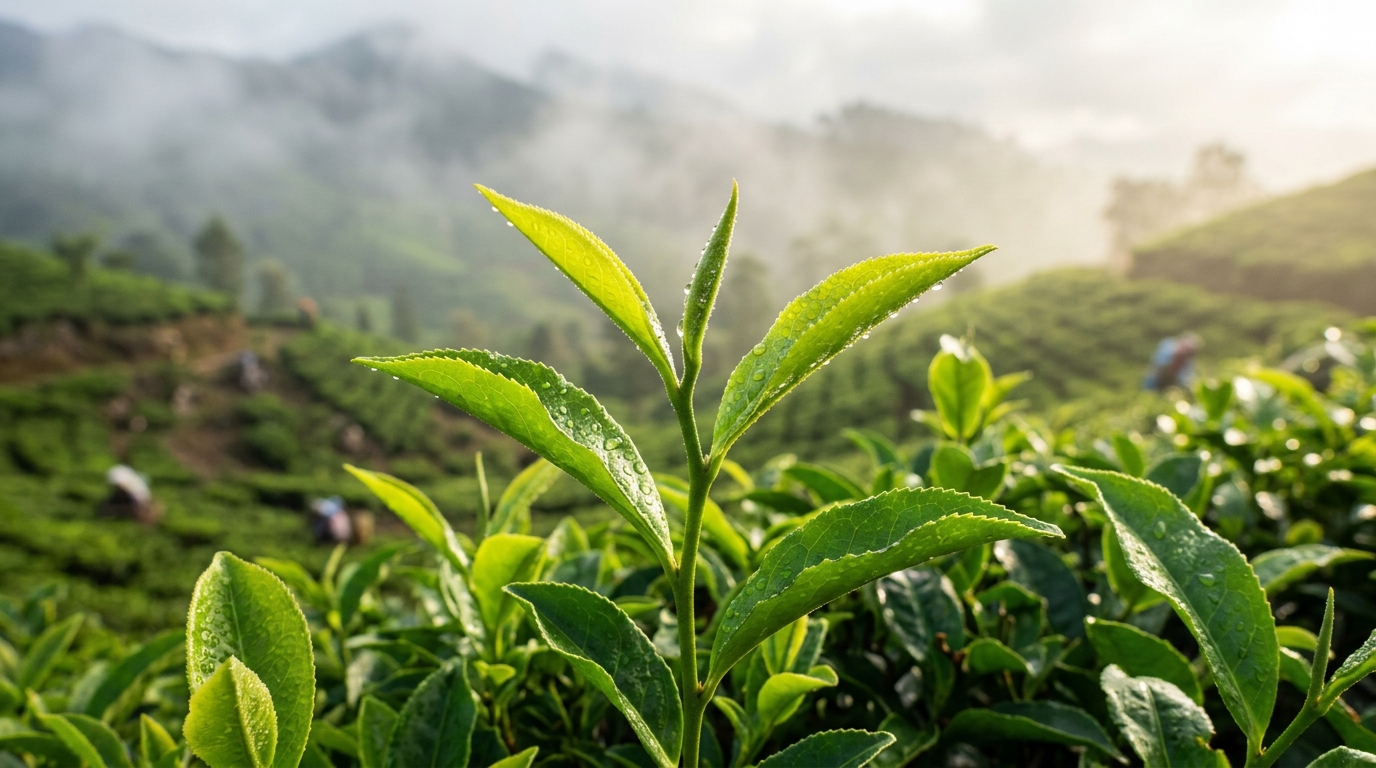
High in the cool, mist-covered mountains of central Sri Lanka, millions of lush tea bushes coat the rolling hillsides like a vibrant green carpet. Fresh morning air sweeps through the valleys, carrying the clean scent of damp soil and sun-warmed leaves. Every day, skilled hand-pickers harvest tender green shoots that will soon be transformed into world-renowned Ceylon tea.
Behind this breathtaking mountain scene lies a century of quiet scientific brilliant research. The exquisite flavor in your teacup is not an accident of nature alone. It is the result of decades of expert plant breeding at Sri Lanka's world-famous Tea Research Institute in Talawakelle. By carefully selecting and developing specialized tea bush varieties, agronomy scientists have created hardy, high-yielding tea plants that produce unforgettable aromas, rich golden colors, and refreshing brisk flavors.
Whether you enjoy a light, floral cup from the high peak of Nuwara Eliya or a deep, malty brew from the low plains of Ruhuna, the story of Ceylon tea begins with the remarkable genetics of the tea bush itself.
1. The Ceylon Tea Plant: What Makes Sri Lankan Leaves Unique
All authentic tea comes from a single evergreen botanical plant species known as *Camellia sinensis*. However, just as different varieties of apples or grapes produce vastly different flavors, different varieties of tea plants bring distinct characteristics to the teapot.
In Sri Lanka, tea plants flourish across an incredible range of landscapes, growing from warm sea-level plains all the way up to mountain crags over 6,000 feet high. To thrive in these diverse microclimates, the tea plant has adapted in fascinating ways.
CAMELLIA SINENSIS VARIETIES IN SRI LANKA
Historically, Sri Lanka's early estates relied on "seedling tea"—plants grown naturally from tea seeds imported from China and Assam in Northern India. Seedling bushes possess long, deep taproots and high genetic diversity. Because each seedling is genetically unique, bushes in the same field often sprout at different speeds, yield different quantities of leaf, and vary slightly in flavor.
To build a more consistent and resilient industry, Sri Lankan botanical scientists turned to vegetative propagation in the mid-20th century. Instead of growing plants from seeds, scientists took cuttings from individual "mother bushes" that displayed exceptional traits—such as resistance to dry weather, thick leaf buds, rapid regrowth, and outstanding cup quality.
Cuttings from these superior parent plants grow into exact genetic copies called clones. Today, cloned tea bushes cover the majority of Sri Lanka's estates, guaranteeing that every plucked leaf carries the precise genetic signature needed for superior Ceylon black tea.
2. Rich Mountain Soils: Why Sri Lanka's Earth Creates Sweeter Tea
The secret to a memorable cup of tea begins deep under the ground. Sri Lanka's tropical mountain soil is naturally rich in essential minerals, iron, and organic matter built up over thousands of years of forest decay.
Tea bushes thrive best in slightly acidic soil with a pH between 4.5 and 5.5. The well-drained, sloping mountain terrain of central Sri Lanka allows heavy seasonal monsoon rains to wash through without waterlogging the delicate roots.
                    MOUNTAIN SOIL & NUTRIENT CYCLE
   [ Tropical Rain & Mist ]: [ Acidic Earth (pH 4.5–5.5) ]
                   [ Root Mineral & Amino Acid Uptake ]
             [ Accumulation of Natural Sugars & Polyphenols ]
                [ Tender Top Bud & Two Leaves Harvested ]
When roots absorb nitrogen, potassium, and vital micronutrients from this rich earth, the tea plant transforms them into plant compounds called polyphenols, amino acids, and natural sugars.
- Amino acids (especially L-theanine): Provide a velvety, savory sweetness that balances natural bitterness.
- Polyphenols (catechins): Supply the pleasant structure, brisk bite, and antioxidant power of fresh tea.
- Essential volatile oils: Develop inside leaf cells to produce fragrant notes of honey, citrus, rose, and pine.
In high-altitude districts like Dimbula and Uda Pussellawa, cool earth and clean mountain mist encourage the roots to draw up nutrients slowly. This slow growth concentrates leaf chemistry, resulting in small, nutrient-dense leaves that brew extraordinarily fragrant tea.
3. The Withering Stage: How Fresh Leaves Begin Their Flavor Journey
Once hand-pickers harvest the soft green top shoots—traditionally "two leaves and a bud"—the leaves are brought to the estate's high-roofed tea factory. Here begins the crucial process of traditional orthodox manufacture.
The very first step is withering. Freshly plucked tea leaves contain nearly 75% to 80% water. If you tried to roll a fresh leaf immediately, it would shatter like lettuce.
                          THE WITHERING PROCESS
   [ Fresh Plucked Leaf ]: Spread on airy troughs for 12–18 hours
   [ Natural Evaporation ]: Leaf moisture drops from 80% down to ~50%
   [ Chemical Awakening ]: Enzymes unlock sweet floral aroma compounds
During withering, green leaves are spread evenly across long, open mesh troughs. Powerful fans blow gentle, room-temperature air through the leaves for 12 to 18 hours. As moisture slowly evaporates:
- Physical softness: The leaf loses about half its water, turning soft, rubbery, and pliable like leather.
- Chemical awakening: Cell walls become permeable, allowing natural enzymes to interact with stored amino acids and plant sugars.
- Aroma development: Fresh green, herbal smells fade away, replaced by subtle fruity and floral aromas.
Without a slow, careful wither, the leaf cannot retain its delicate aroma oils during the subsequent mechanical rolling process.
4. Rolling and Oxidation: How Green Leaves Turn into Rich, Brisk Black Tea
After withering, the soft leaves are moved to heavy brass rolling tables. The goal of rolling is not to shred the leaf, but to gently twist and bruise it. This mechanical action breaks open microscopic cell walls, releasing rich juices and essential oils to the surface of the leaf.
As soon as these internal plant juices contact fresh mountain air, oxygen triggers a natural chemical reaction called oxidation.
How Tea Leaves Transform into Pure Ceylon Black Tea
1. Gentle Leaf Rolling
Careful mechanical rolling gently bruises the leaf cells, releasing natural plant juices to begin oxidation
2. Fresh Air Reaction
Natural plant enzymes react with cool mountain air, turning the green leaf a warm coppery gold
3. Brisk Flavor Formation
Beneficial tea compounds (theaflavins) develop, giving Ceylon tea its signature golden glow and refreshing briskness
4. Rich Body & Color
Deep red and amber compounds (thearubigins) develop to give the brewed tea its rich, satisfying body
5. Hot Air Firing
Hot dry air bakes the leaves at peak flavor, locking in freshness and delicate aromas with crisp 3% moisture
During oxidation, colorless catechins inside the leaf juice convert into two vital compounds that define black tea:
- Theaflavins: Bright golden-yellow molecules that give Ceylon tea its lively "briskness," crisp bite, and glowing cup color.
- Thearubigins: Deep amber-red molecules that deliver full body, depth, warmth, and satisfying mouthfeel.
Master tea tasters monitor the oxidation room constantly. When the leaves reach a vibrant coppery-red color and smell like ripe apples or sweet honey, the leaf is immediately passed through a hot air drier (firing) to stop oxidation and preserve peak flavor.
5. Sri Lanka's Famous Tea Bush Varieties (TRI Clones)
The foundation of Sri Lanka's success in tea production is the Tea Research Institute of Sri Lanka (TRI), located in Talawakelle in the central highlands. Founded in 1925, the TRI is one of the world's premier tea research centers.
Agronomists at Talawakelle have developed hundreds of specialized cultivars, universally referred to as TRI Clones. These plants are engineered through natural selection and vegetative breeding to offer disease resistance, high leaf yields, weather adaptability, and outstanding tasting notes.
FAMOUS TALAWAKELLE TRI CLONES
Here are the most famous and widely planted TRI cultivars shaping Sri Lanka's harvests today:
TRI 2025 (The Golden Workhorse)
- Parentage: Selected from high-performing mother stock in the Dimbula region.
- Characteristics: TRI 2025 is arguably the most famous tea clone in Sri Lanka. It features strong branches, broad medium-green leaves, and remarkable adaptability across high, mid, and low elevations.
- Flavor Profile: Known for producing a exceptionally balanced cup with bright copper liquor, crisp briskness, and a sweet, clean finish. It is heavily planted in Dimbula and Kandy.
TRI 2023 (The High-Grown Beauty)
- Characteristics: Highly sensitive to cool mountain climates, TRI 2023 grows best in misty high-altitude regions above 4,000 feet. It produces smaller, light-green leaves packed with fragrant volatile compounds.
- Flavor Profile: Unlocks brilliant, pale golden infusions with intense floral notes, hint of sweet citrus, and a delicate, lingering aftertaste. Perfect for premium whole-leaf grades like Orange Pekoe.
TRI 2026 (The Low-Grown Powerhouse)
- Characteristics: Exceptionally fast-growing with broad, dark green leaves and thick stems. TRI 2026 thrives in warm, humid lowland conditions like Ruhuna and Sabaragamuwa.
- Flavor Profile: Yields heavy, dark, jet-black dry leaves that brew a deep crimson-red infusion. The cup is rich, full-bodied, low in astringency, and carries natural hints of caramelized sugar and sweet timber.
TRI 3000 Series (Climate-Resilient Cultivars)
- Key Examples: TRI 3014, TRI 3020, TRI 3073.
- Characteristics: Developed in recent decades to tackle unpredictable weather patterns, prolonged droughts, and local soil pests. These bushes feature deep root architecture and thick, waxy leaf surfaces that conserve moisture.
- Flavor Profile: Consistently bright and brisk, providing high antioxidant content and vibrant liquor color even during challenging weather seasons.
TRI 4000 Series (Specialty & Antioxidant Rich)
- Characteristics: The latest generation of agronomic research. These cultivars possess dense bud tips with abundant white hairs (pubescence), making them ideal for crafting luxury hand-rolled white teas like Ceylon Silver Tips.
- Flavor Profile: Delivers velvety sweetness, delicate nectar notes, and exceptionally low bitterness.
Tea Bush & Flavor Guide Table
| Tea Bush Variety or Stage | Where It Grows Best | Natural Leaf Flavors Developed | What It Tastes Like in the Cup |
|---|---|---|---|
| TRI 2025 | High & Mid Elevations (Dimbula, Kandy) | Concentrated catechins, balanced sugars | Crisp, brisk, coppery-golden with clean malt sweetness |
| TRI 2023 | High Altitude Slopes (Nuwara Eliya) | High volatile essential oils, delicate floral esters | Pale golden, delicate citrus notes, jasmine aroma |
| TRI 2026 | Warm Lowland Valleys (Ruhuna, Sabaragamuwa) | High polyphenol density, rich leaf sap | Deep crimson color, heavy body, caramel & sweet malt |
| Old Seedling Tea | Historic Mountain Estates (5,000+ feet) | Complex amino acids, deep taproot mineral depth | Multi-layered, woodsy, refined astringency, long finish |
| TRI 4000 Series | Protected High-Grown Gardens | Soft amino acids, high antioxidant density | Velvety smooth, honeyed nectar, subtle honeysuckle sweetness |
6. Mountain Mist and Sunshine: Nature's Recipe for Pure Flavor
While genetics (the TRI clone) provide the plant's potential, environment (terroir) brings that potential to life. In the high mountains of Sri Lanka, tea bushes experience a unique natural rhythm:
- Warm tropical sunshine: During daylight hours, bright sun fuels photosynthesis, producing rich sugars and energy inside the leaves.
- Chilly mountain nights: As dusk falls, temperatures drop sharply. Cool mountain air and thick fog slow down the plant's metabolism.
- Flavor locking: Instead of burning off its daily energy, the tea bush stores these natural sugars, aromatic compounds, and amino acids right inside the tender top bud and leaves.
                       DAILY TERROIR RHYTHM
    [ Bright Daytime Sun ]: Rapid photosynthesis builds plant sugars
    [ Cool Mountain Night ]: Growth slows, locking aromas into top bud
    [ Quality Season Monsoons ]: Dry winds dry out leaves, concentrating oils
This natural temperature cycle is heightened during quality seasons. For example, during the eastern monsoon season, dry mountain winds sweep across the mountain passes into the Uva Province.
These dry winds cause the tea leaves to lose moisture slightly while still on the living bush, concentrating natural chemical compounds. When harvested and processed, these leaves produce the famous "exotic wintergreen" and mentholated aroma prized by tea lovers worldwide.
To ensure consumers receive authentic single-origin tea crafted under these ideal conditions, the Sri Lanka Tea Board awards the official Pure Ceylon Tea Lion Logo Certification only to teas grown, harvested, and packaged entirely within Sri Lanka.
Pure Ceylon Tea Lion Logo Certification
Frequently Asked Questions About Ceylon Tea Botany and Plant Science
1. What is the difference between seedling tea and TRI clone tea in Sri Lanka?
Seedling tea is grown from natural tea seeds, producing plants with high genetic diversity and deep taproots. TRI clone tea is grown from stem cuttings taken from a single mother plant. Clones are genetically identical twins that offer consistent leaf shapes, higher yields, better drought resistance, and reliable flavor profiles across an estate.
2. Why does the Tea Research Institute (TRI) name its cultivars with numbers like TRI 2025?
The numbering system reflects scientific tracking at the Talawakelle research station. The first digits usually denote the series or breeding decade, while the last digits identify the specific cultivar selection. For instance, the famous "2000 series" represents a breakthrough generation of vegetative propagation developed in mid-20th-century field trials.
3. How do TRI tea clones affect the flavor of my morning cup of Ceylon tea?
Different clones possess different cellular chemistry. A high-altitude clone like TRI 2023 creates light, floral, citrusy teas, while a lowland clone like TRI 2026 creates dark, bold, caramelized brews. By matching specific clones to regional soils, tea makers can craft distinct, high-quality flavor profiles.
4. Are TRI tea clones genetically modified organisms (GMO)?
No. TRI tea clones are created through traditional vegetative propagation and natural selective breeding. Scientists select superior parent bushes from existing fields and propagate them via natural plant cuttings without any artificial laboratory genetic modification.
5. Which tea bush variety produces the best Ceylon high-grown tea?
TRI 2023 and TRI 2025 are widely considered two of the finest high-grown varieties. TRI 2023 excels at high altitudes like Nuwara Eliya, yielding delicate floral notes, while TRI 2025 produces the classic golden-coppery liquor and crisp briskness famous in Dimbula.
6. Can the exact same TRI clone taste different when planted in different regions?
Yes, absolutely. This phenomenon is known as terroir. Even if you plant an identical genetic clone (such as TRI 2025) in both cool mountain Dimbula and warm tropical Ruhuna, the soil minerals, temperature, rainfall, and air humidity will cause the leaf to develop completely different flavor profiles.
7. How long can a cloned Ceylon tea bush remain productive?
With proper care, light pruning every four to five years, and good soil management, a cloned tea bush can remain highly productive and produce world-class leaf yields for 50 to 80 years or more.
The Perfect Harmony of Science and Nature
The world-famous taste of Ceylon tea is much more than a gift of tropical sunshine and mountain mist. It is a testament to nearly a century of dedicated agronomy research at the Tea Research Institute in Talawakelle. By combining natural plant genetics, rich mountain soil, precise orthodox manufacturing, and the distinct climate of Sri Lanka's seven growing regions, local growers continue to produce some of the finest teas on Earth.
Whether you prefer a bright, refreshing morning cup or a smooth, relaxing afternoon tea, knowing the botanical story behind the leaf brings a deeper appreciation to every sip.
To explore single-origin teas grown from these remarkable plant varieties, browse our official Ceylon Tea Product Catalogue or learn more about our commitment to sustainable agriculture in our Agronomy & Scientific Research Hub.